
HCP engagement works when it changes what a healthcare professional does next, not just what they notice. That starts with motivation, and with being specific about the behaviour you want to see.
At Schiphol Airport, a small image of a fly in a urinal gives visitors something to aim at. There is no instruction, incentive or request, only a design decision built around one observable behaviour. It is a useful test for HCP strategy, because most briefs start somewhere less visible.
Why design for behaviours, not outcomes
Briefs usually arrive as aspirations or outcomes. An aspiration is a long-term ambition that cannot be measured, such as building trust between a clinician and a company. An outcome is also long term but can be measured, such as increasing the number of qualified leads who go on to trial a device. A behaviour is something you can see happening right now, such as an HCP asking a staff member a clinical question about that device.
Behaviours give a design team something specific to build around and measure. Dr. Guy Champniss, a behavioural scientist at Meltwater Consulting and visiting professor at IE Business School, says a science-based experience starts with a clear objective: “What is the behaviour that we’re trying to design for?”
What COM-B says about why people act
COM-B is a behavioural model developed by Susan Michie, Maartje van Stralen and Robert West and published in Implementation Science in 2011. It holds that a behaviour happens when three conditions are in place: capability, opportunity and motivation.
- Capability covers psychological and physical ability, such as skills, knowledge and know-how.
- Opportunity covers the physical and social context, including time, access and whether a behaviour feels acceptable and expected.
- Motivation covers reflective drivers, such as attitudes, beliefs and values, and automatic ones, such as urges, emotions and impulses.
What HCPs say about their time and attention
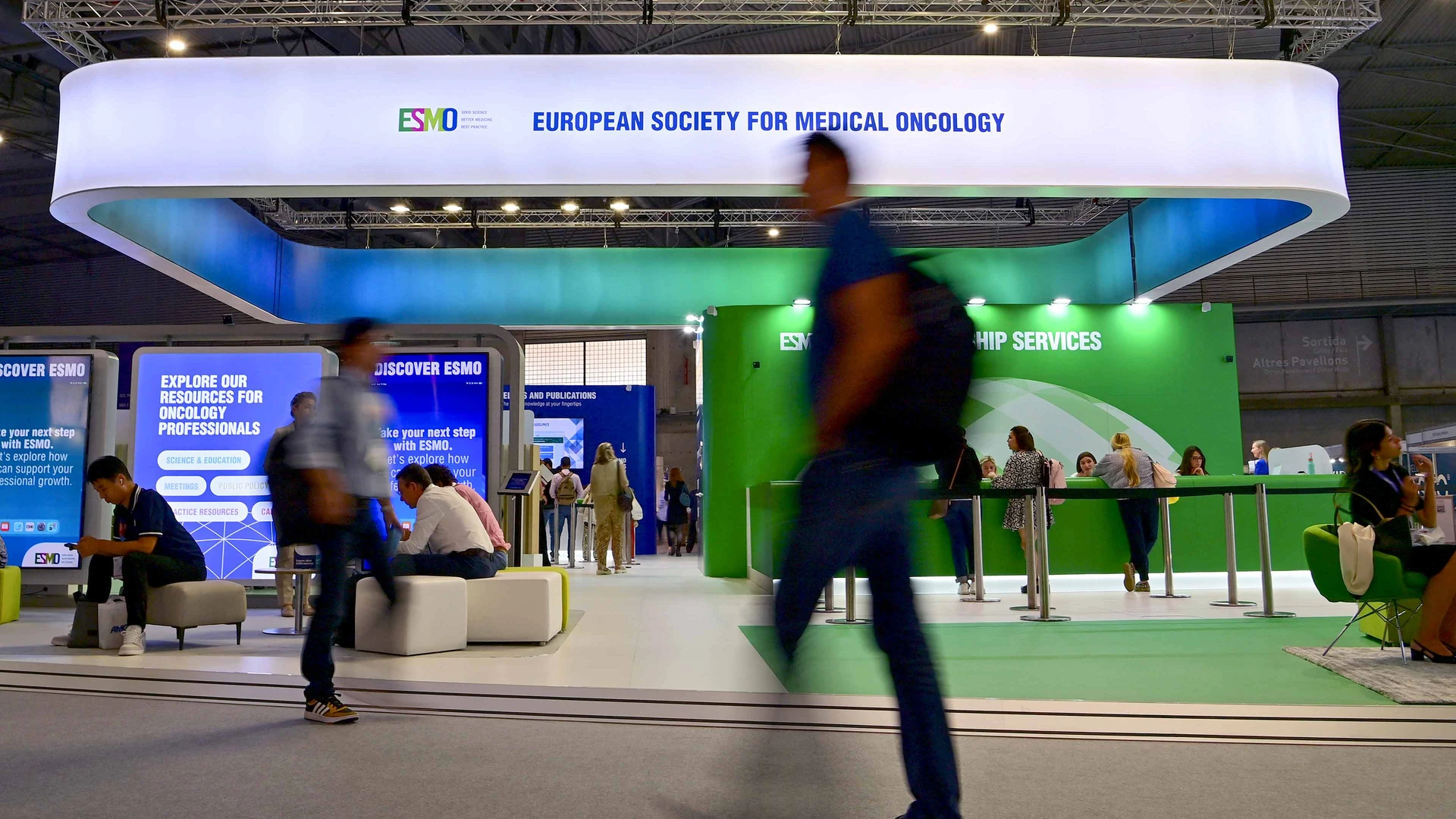
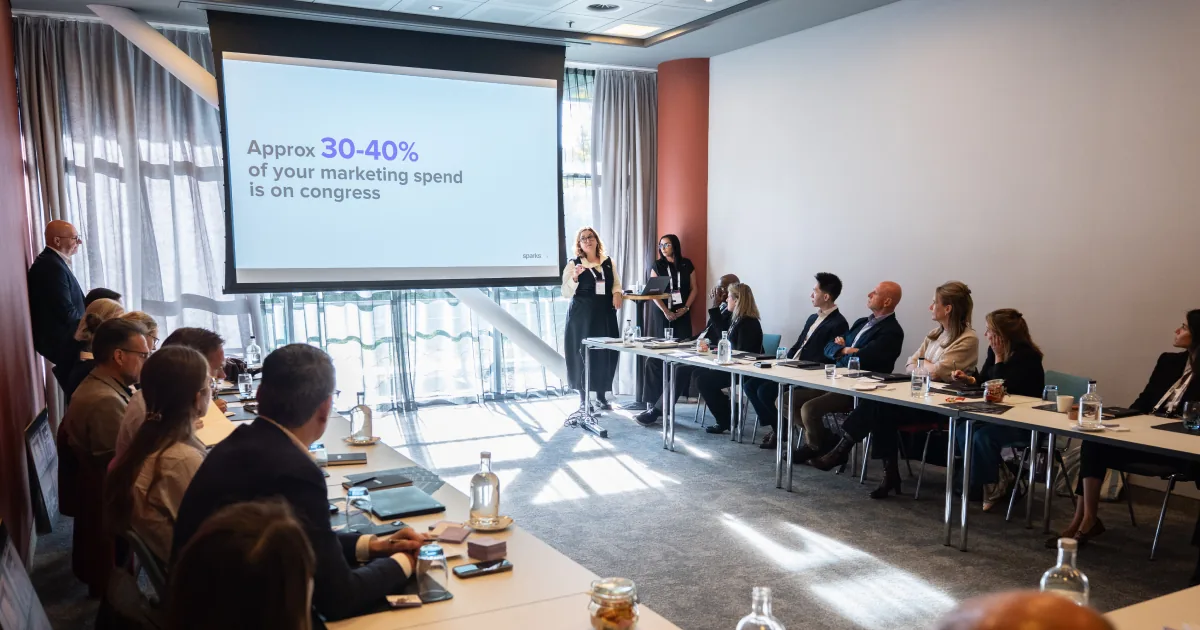
Congress research points to consistent pressures. PrecisionAQ’s 2025 webinar, Beyond the Booth: Harnessing HCP Preferences to Transform Congress Engagement, reported that 91% of HCPs want contact before congress, and argued that badge scans and coffee counts do not capture engagement. Research by Emota and the International Pharmaceutical Congress Advisory Association, reported by Skift Meetings in February 2026, found that 39% of HCPs felt too many topics were scheduled at the same time, so they missed sessions. Impact XM’s 2024 interviews with more than 50 specialists across the United States and Europe found that they want to visit the exhibit floor but are put off by aggressive sales tactics.
Read through COM-B, these are behaviour problems with specific causes. Limited time is an opportunity barrier. A hard sell works against reflective motivation. Contact before congress builds psychological capability, because people arrive already knowing what is worth their time.
What this looks like in a live experience
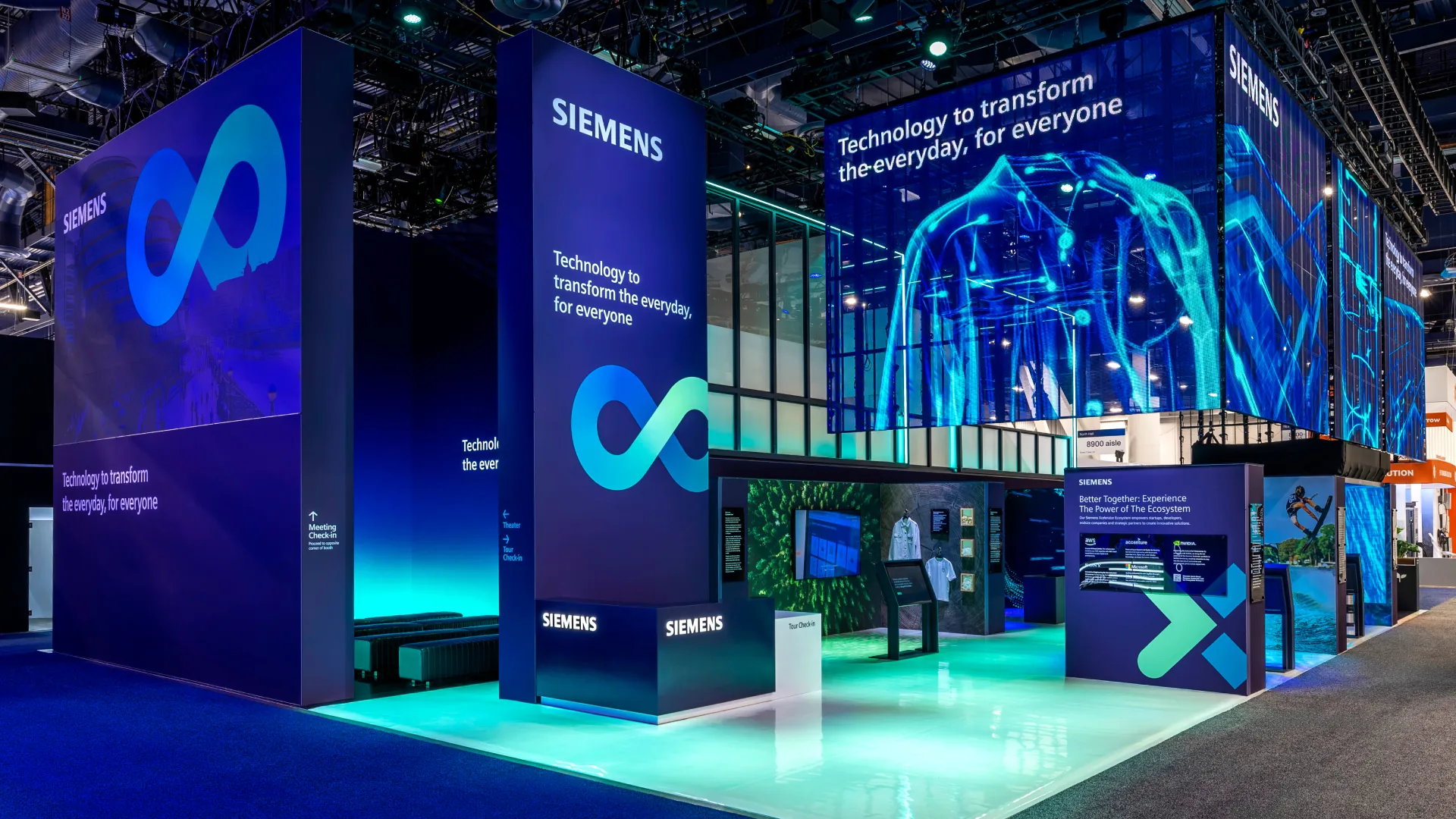
At CES 2026, Siemens needed to make Industrial AI, a largely unseen layer of technology, tangible for a broad audience while giving decision-makers a way to go deeper. Sparks designed and delivered the exhibit in partnership with Freeman and Freeman AV. Customer deployments showed the technology at work, and a two-story meeting space let Siemens experts hold one-to-one conversations with priority customers and prospects.
The principle carries over to congress. Different HCPs want different depths of the same story, and a good experience gives each of them a way in.
Siemens Case Study
At CES 2026 in Las Vegas, the brand sought to continue telling that story in the context of Industrial AI, with a focus on its specific place in the market and on the ingenuity behind its technology.
Where to start: find the one broken wire
The One Flag Rule from the Sparks guide is a simple way in. Name the exact behaviour you want to see, not the goal. Check capability, opportunity and motivation for that behaviour only. Then fix the weakest one and leave the rest alone, because trying to fix everything often improves nothing.
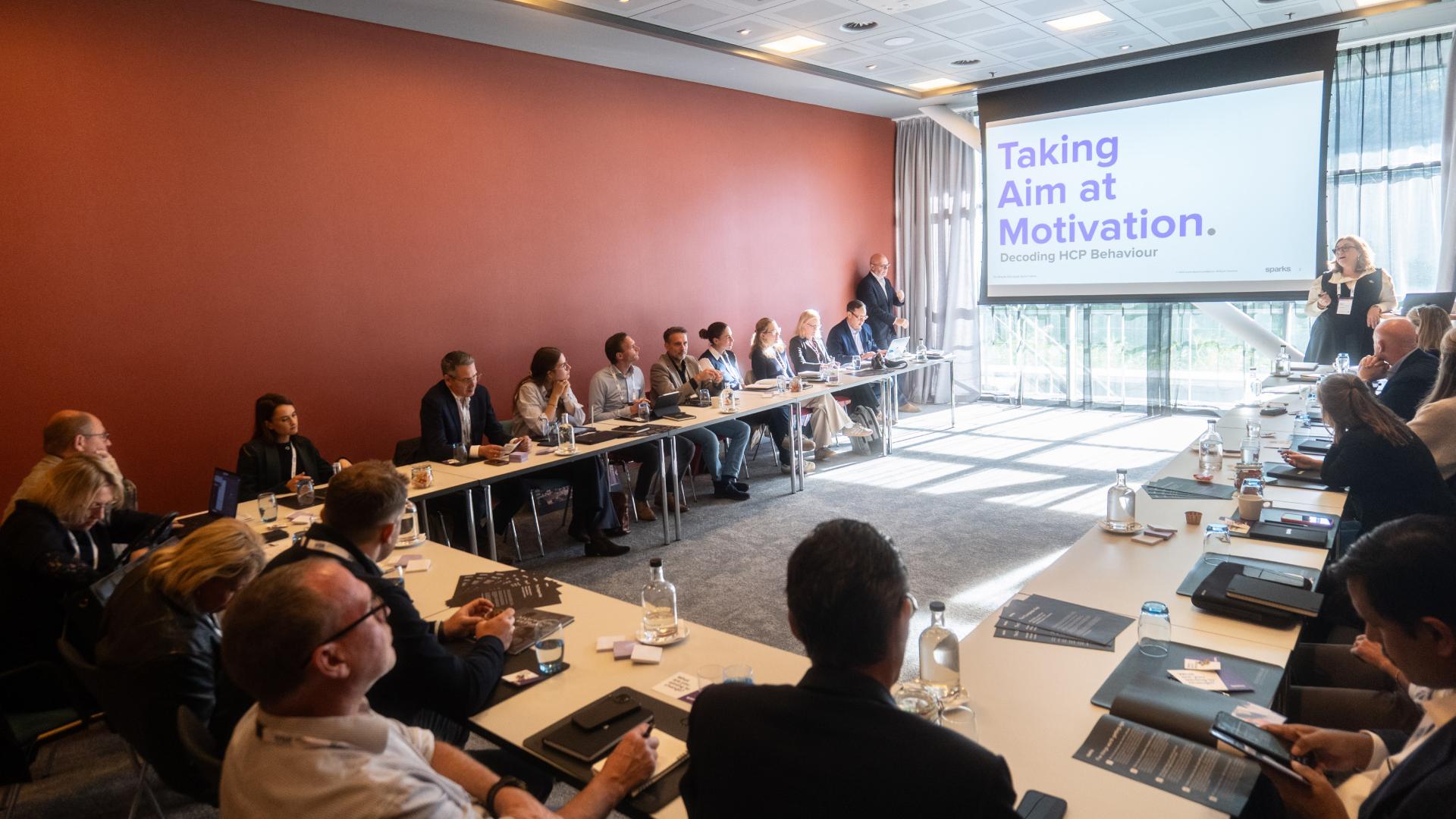
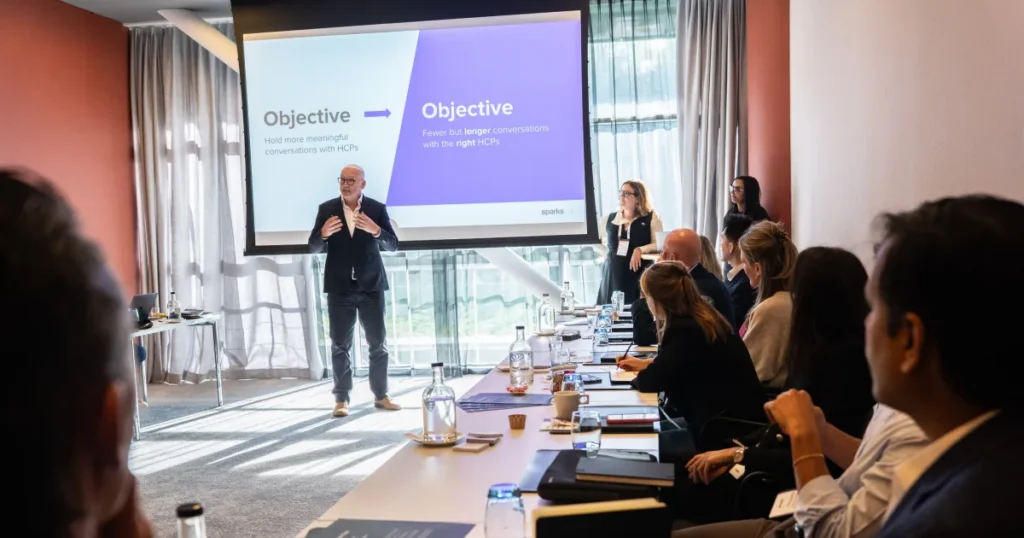
These ideas formed the basis of Sparks EMEA’s workshop at Future Pharma Europe 2026 in Amsterdam, hosted by Sparks and led by Dr. Guy Champniss, with Trin Basra on design.
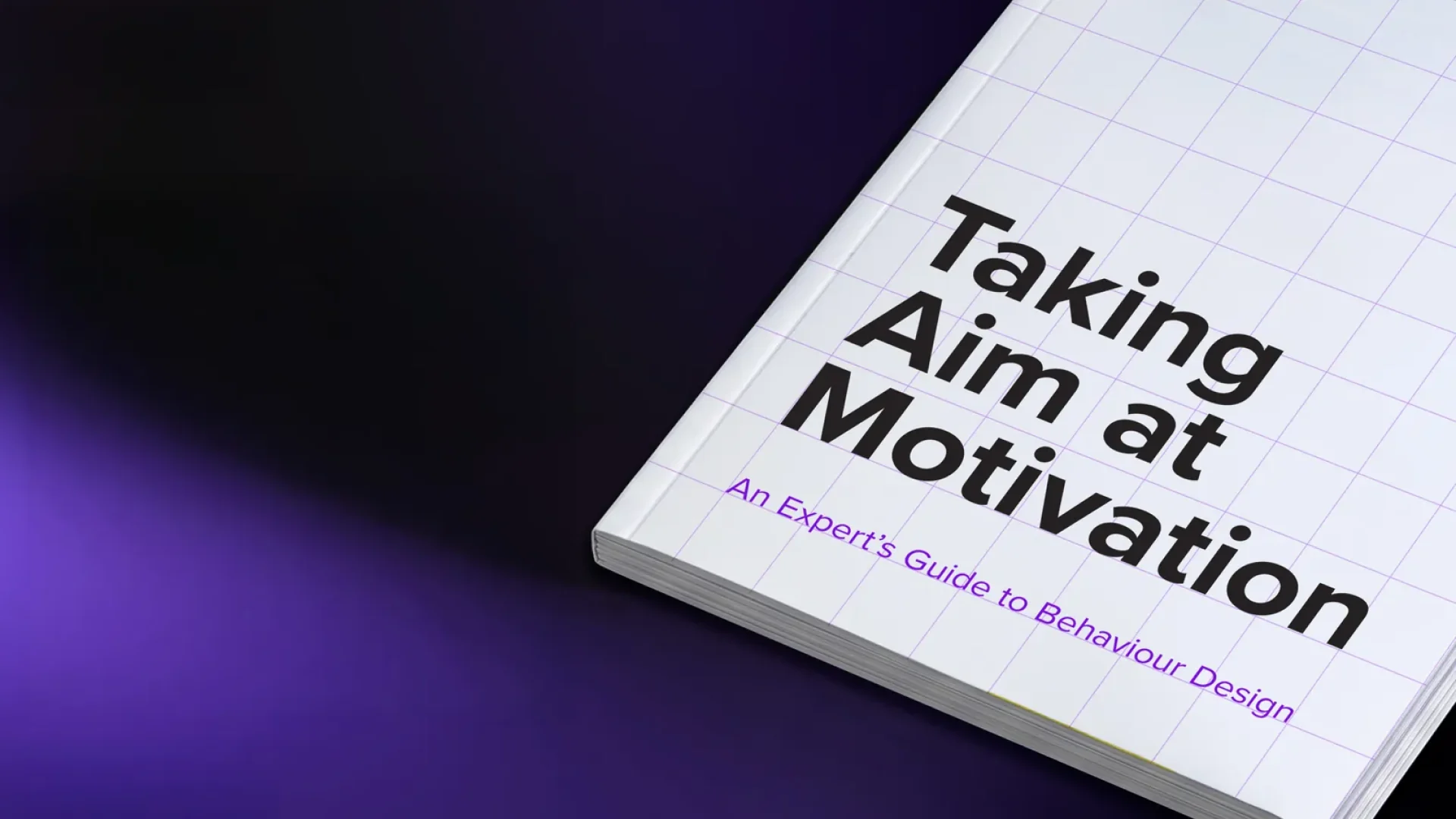
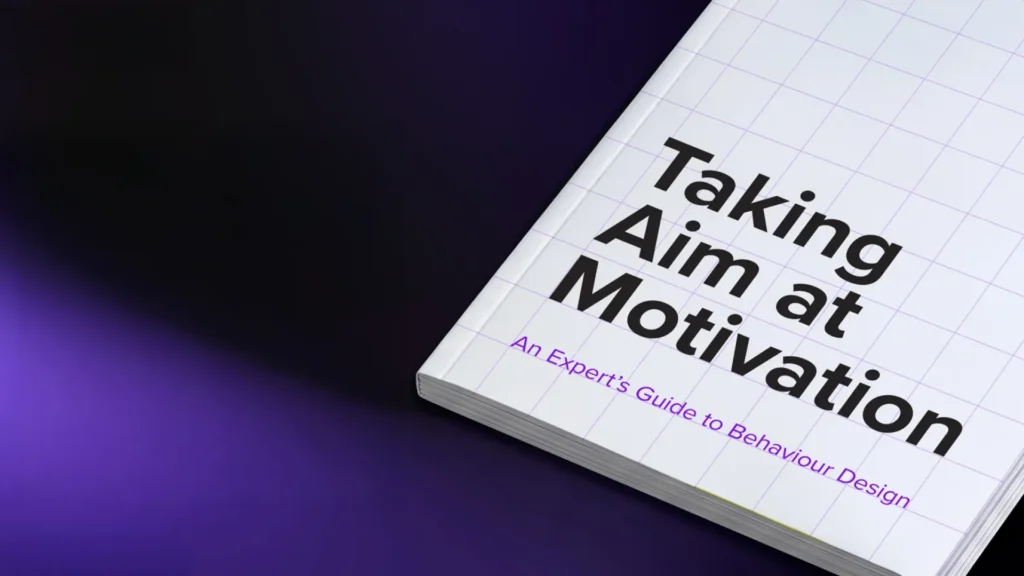
Taking Aim at Motivation:
An Expert’s Guide to Behavioural Design
Your go-to guide for turning behavioural insight into marketing that moves audiences to act and drives measurable business value.
Sources
- Michie, S., van Stralen, M. M. and West, R. (2011). The behaviour change wheel: a new method for characterising and designing behaviour change interventions. Implementation Science, 6, 42.
- PrecisionAQ (2025). Beyond the Booth: Harnessing HCP Preferences to Transform Congress Engagement (webinar, 24 June 2025).
- Skift Meetings (2026). Healthcare Professionals Want Interaction, Not Just Talking Heads (5 February 2026), reporting research by Emota and IPCAA.
- Impact XM (2024). Health Care Professionals in The Wild: A study of HCPs at Congresses.
Frequently Asked Questions
COM-B is a behavioural model developed by Susan Michie, Maartje van Stralen and Robert West and published in Implementation Science in 2011. It holds that a behaviour happens when three conditions are in place: capability, opportunity and motivation.
Outcomes such as more qualified leads are long term. A behaviour, such as an HCP asking a staff member a clinical question about a device, can be seen happening right now, which gives a design team something specific to build around and measure.
Research cited in the article found that 91% of HCPs want contact before congress, 39% missed sessions because too many topics were scheduled at once, and specialists want to visit the exhibit floor but are put off by aggressive sales tactics.
Use the One Flag Rule: name the exact behaviour you want to see, check capability, opportunity and motivation for that behaviour only, then fix the weakest one.