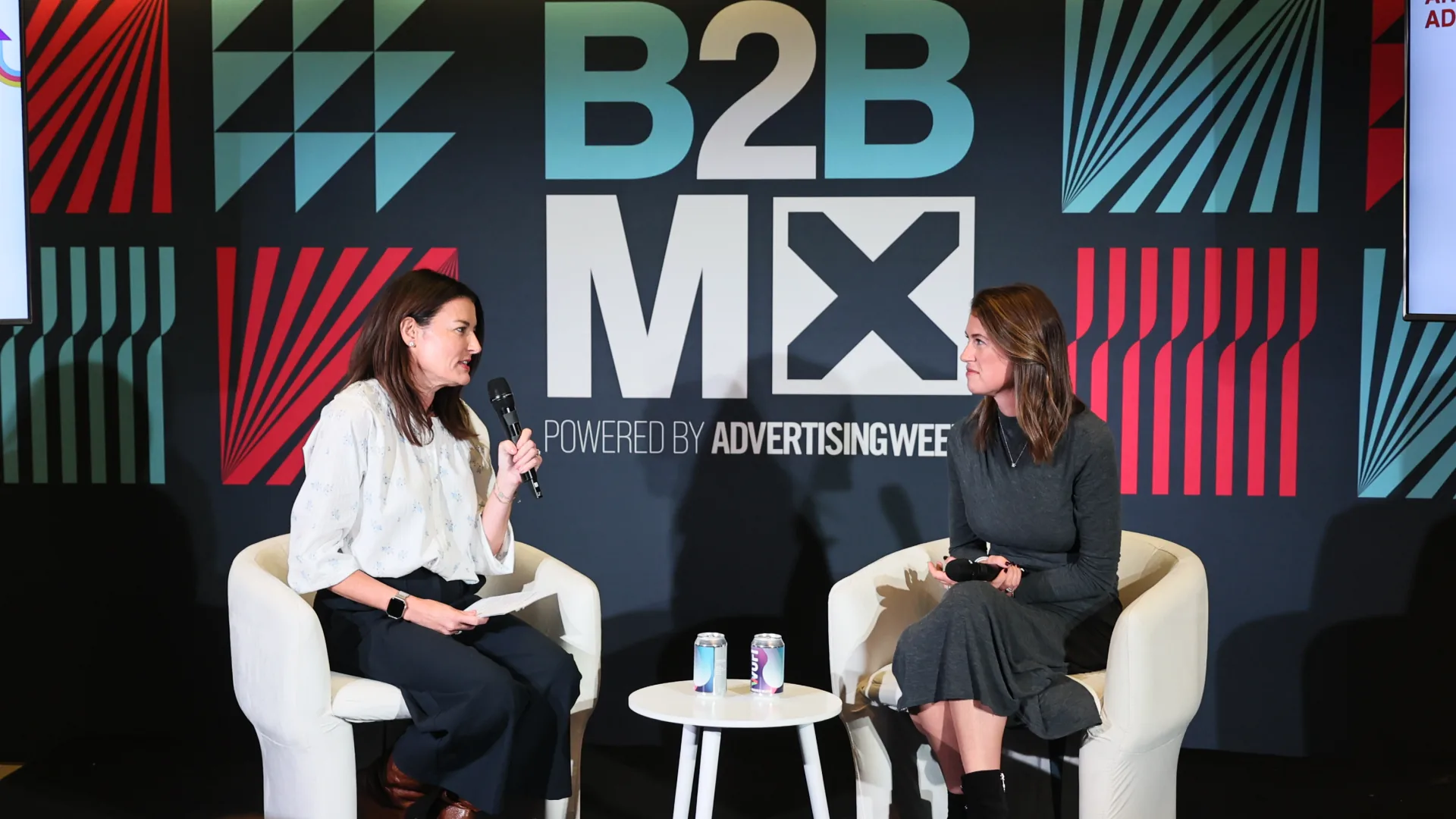

Real life isn’t a new frontier for marketing, but it’s finally being treated like one. On EMARKETER’s Behind the Numbers, Sparks President Melissa Levy joined Atmosphere TV’s Lindsay Sutton and host Marcus Johnson to explain what changes when experience moves out of the events budget and into the core plan.
It was always there. It just wasn’t in the plan.
Trade shows, exhibits, and launches have anchored B2B for decades without ever sitting in the marketing budget. Post-COVID appetite for gathering, plus fragmented media, is now sending marketers to real life to find their audiences. And people want it for a reason: after years of doom-scrolling, music and sports are where they feel something and belong to something, and brands want in. The harder question is how to connect with a consumer instead of advertising to them.
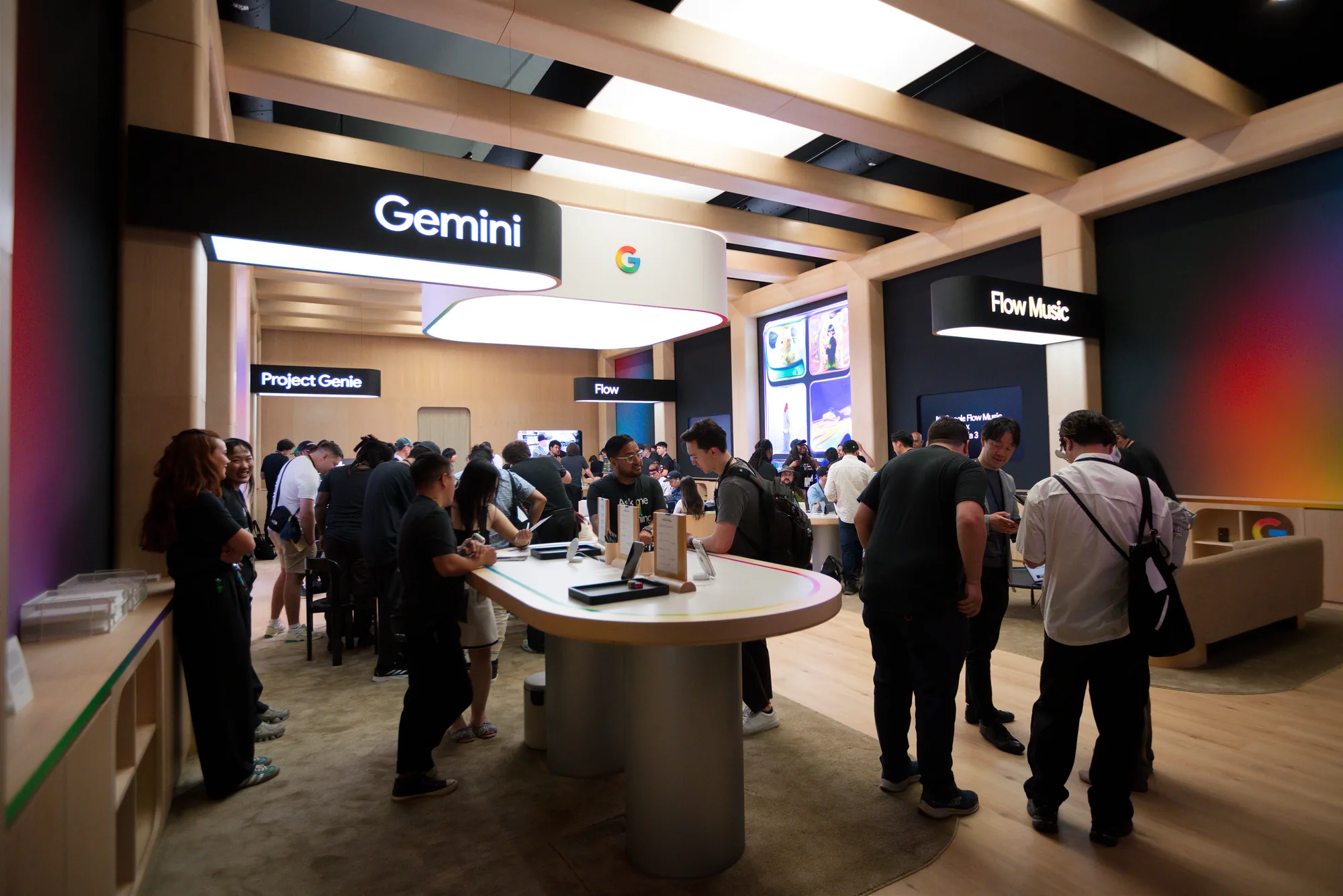
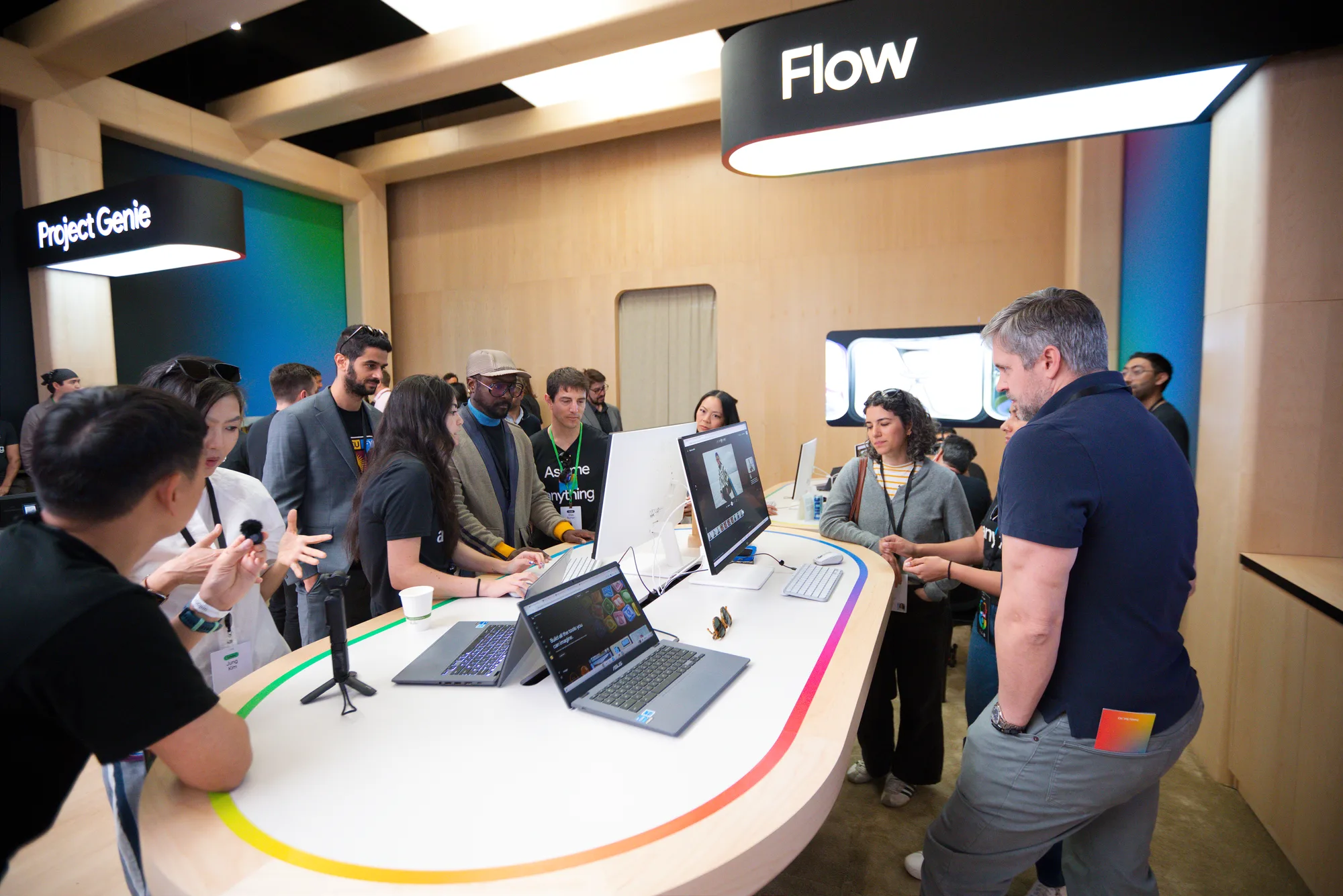
B2B already has the roadmap.
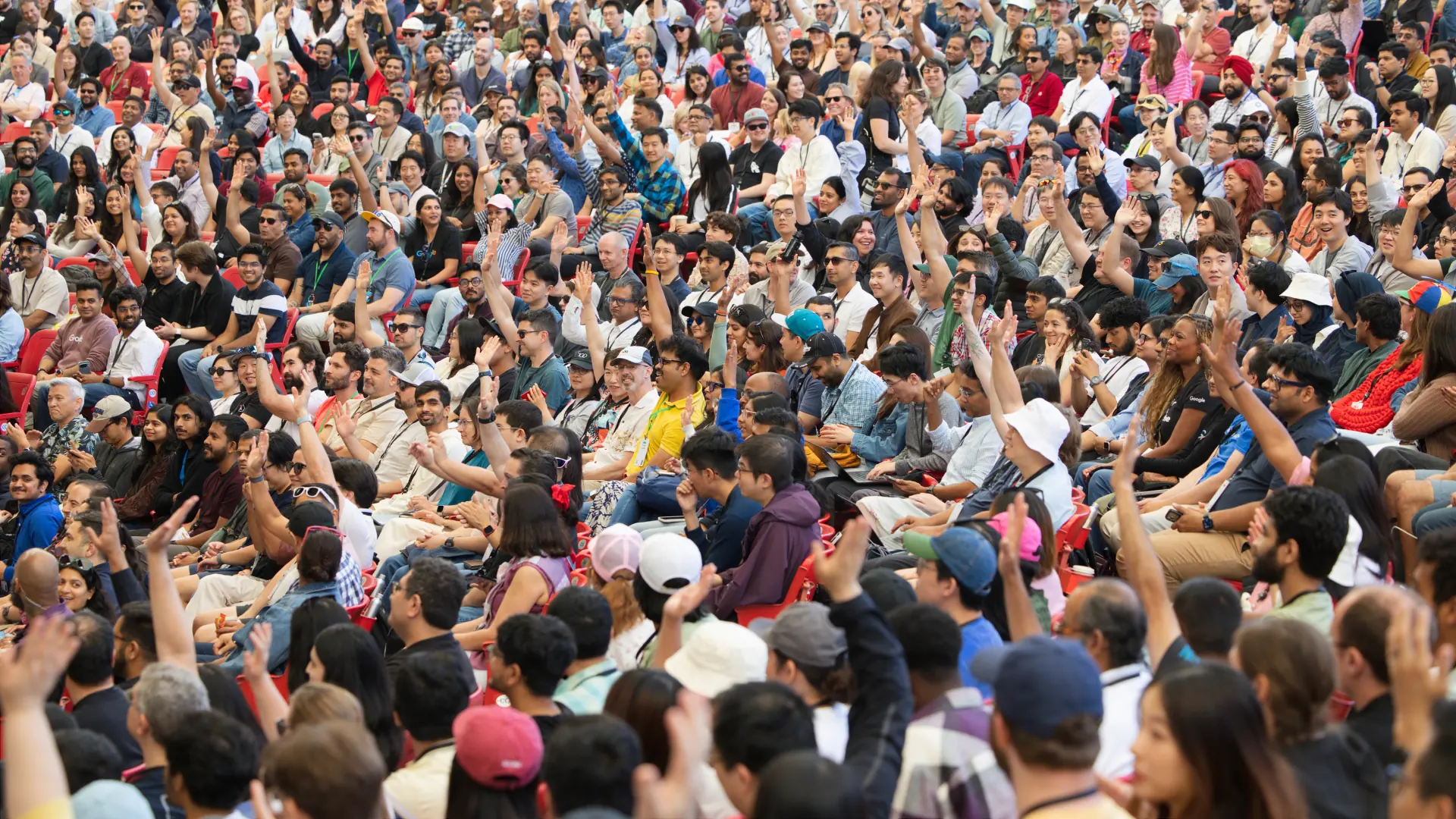
Its edge is a strategy for why it brings people together. Booths were places to sample, touch, and meet customers, and technology events like Google I/O now build whole environments for developers, prospects, and fans. B2C’s recurring mistake is the isolated pop-up with no strategy, measurement plan, or KPIs. The brands getting it right combine an audience strategy, a multi-year view, and clear goals for what they’re measuring.
Go where people already participate.
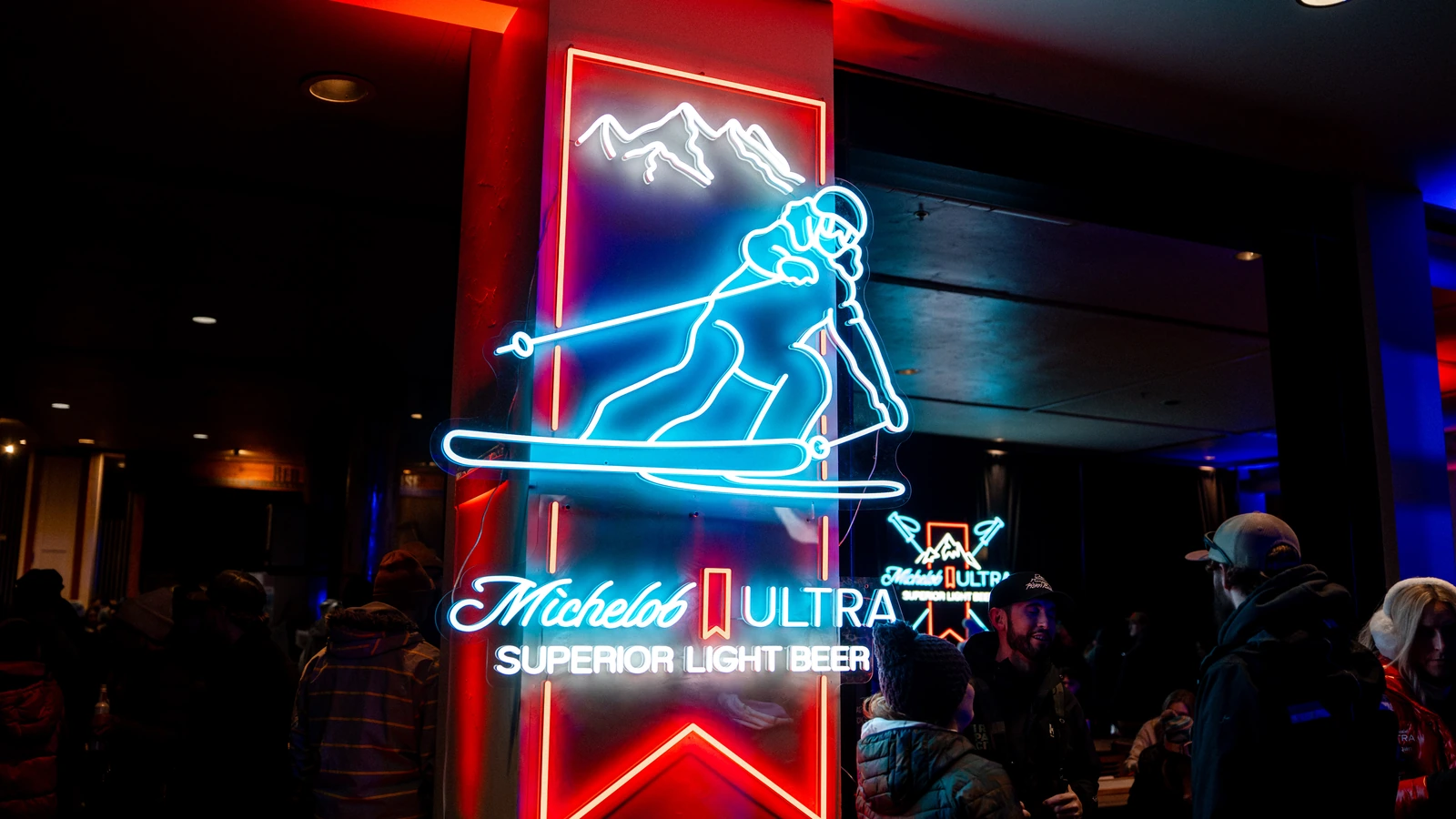
At Fanatics Fest, Sparks worked with DICK’S Sporting Goods, which didn’t just show up to sell. It created cultural moments to co-create with fans across generations. The same logic runs through Sparks’ work with Michelob ULTRA on its Olympics partnership: find where people already take part, put the brand there, and measure participation in culture alongside sales.
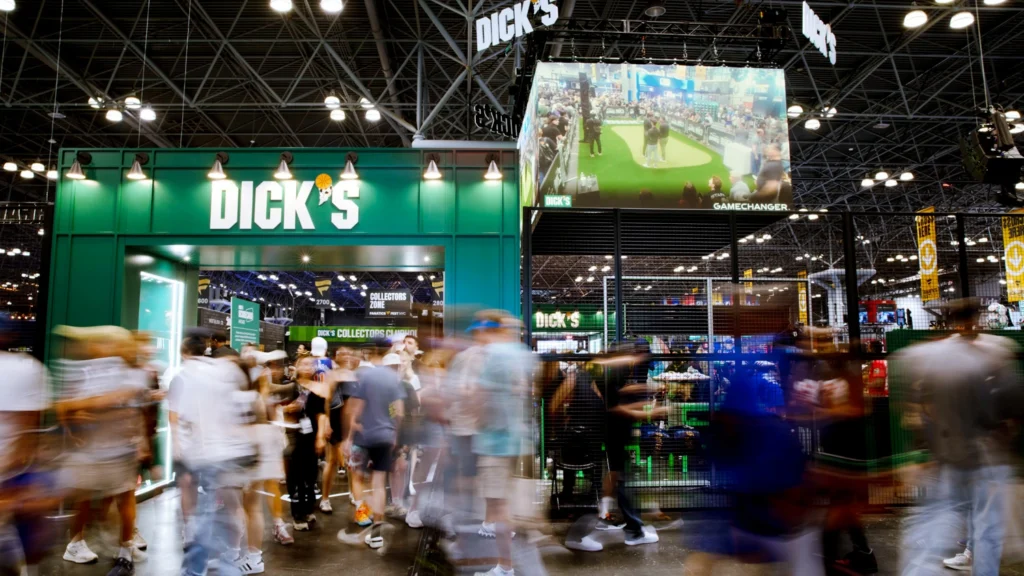
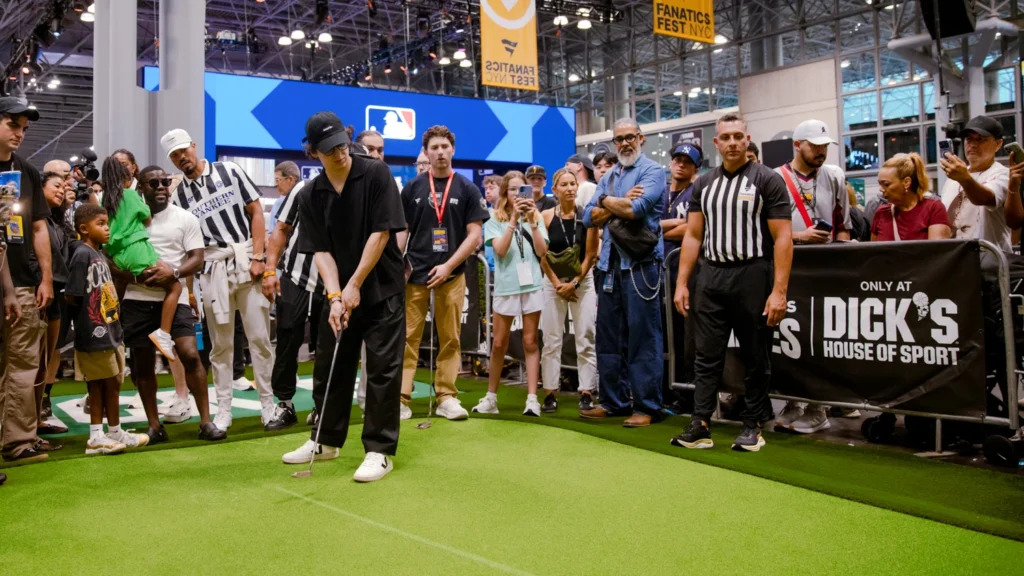
Plan it upstream, or it’s the first thing cut.
Experiential often sits in a PR or events budget, tacked on to a creative strategy, sometimes outside the CMO’s budget entirely. Melissa’s case is to start from where the audience is and decide where real life fits, then put it in the media plan and measure it. Treat it as content too: in-person experiences generate it, and large language models source information from outside the brand, so events belong in the content strategy from day one.