AI Got Personal at CES 2026. Now Comes the Hard Part.

Sparks Strategy
The Sparks Strategy team were on the ground at CES 2026 capturing insights on trends and brand experiences.
While walking the floor, the industry's vocabulary underwent a visible transformation this year. The technical jargon of processing power was largely replaced by a softer, more intimate lexicon. Companion, partner, and trusted assistant. LG framed AI as "life companions." Hyundai spoke of "partnering human progress."
The shift extended beyond language. Humanoids and robotics populated the floor in numbers enough to staff a small factory, moving AI from the abstract glow of a dashboard into physical forms with faces, bodies, and presence.
The convergence of emotional positioning and physical embodiment signals something critical: the industry recognizing that adoption is a matter of trust, not just performance. The gap between what AI can do and what people will actually use comes down to how the technology makes them feel.
Translating that emotional recognition into experiences that actually prove it? That's the hard part.
From Capability to Connection
The AI conversation has evolved considerably over the past several years. Earlier iterations centered on capability: what the tech could do. Then came utility: how it could improve workflows or predict behavior. At CES 2026, the story was about relationships. The industry positioning acknowledged that people do not adopt technology simply because it is sophisticated. They adopt it because it fits into their lives in ways that feel natural, trustworthy, and genuinely helpful. Brands are attuned to what matters for adoption. They're asking the right questions about emotional connection, trust signals, and human-centered design. The language shift represents real progress. The next evolution is designing experiences that fully deliver on those promises. Early signals suggest it's already starting.
What's Working: Intimacy Over Scale
One of the most interesting patterns at CES 2026 was about what brands pulled back from.
Fewer massive spectacle moments. More curated, intimate experiences. Brands like Accenture created environments of ambient lighting and soft seating at the Venetian Expo. Less trade show, more sanctuary. Spaces responding to what their audiences actually needed: quiet, focus, human connection. Others followed similar patterns across Vegas venues, trading volume for intentionality.
This trend could reflect economic conservativeness. But it might also signal brands recognizing that in a world of constant noise, intimacy and intentionality cut through better than volume.
The experiences that resonated most were the ones that felt designed for how people actually process information and make decisions. Guided experiences with clear narrative flow. VIP moments that prioritized depth over reach. Environments that acknowledged attention as finite and designed accordingly.
Corie Barry, CEO, Best Buy
We confuse personalization with transactional data. Real personalization is about deeply understanding your audience, their needs, intent, and what they are trying to accomplish.
The Work That Comes Next
For marketing and experience teams, five strategic priorities emerged to guide the rest of 2026:
1. Build Listening Infrastructure, Not Just Feedback Loops
Marketing is moving from an echo chamber to a listening chamber. Feedback is reactive; listening is continuous. As Chime's Orlando Baeza noted, brands have to meet people where they are living their lives to catch cultural moments that a dashboard will inevitably miss. This requires organizational proximity, not just better analytics.
2. Segment by Motivation, Not Demographics
The traditional buckets of age, gender, and job title are losing their predictive power. Gen Z proves that audiences are too nuanced for simple labels. Understanding why someone wants something, their intent, is now infinitely more valuable than knowing who they are on paper.
3. Invest in Interpretation Over Collection
Raw data means little without context. Real personalization requires an interpretive layer that turns transaction history into a trajectory. Best Buy's CEO noted that many brands still confuse data points with actual understanding. The edge in 2026 belongs to the brands that can tell a story with their data.
4. Design for Continuous Relationships
Quarterly campaigns and one-time activations fail to reflect real human behavior. The future belongs to always-on relationships. IBM's Sarah Meron described sports as a "traveling carnival of influence," an infrastructure of repeatable memory. Brands must now build narrative systems and characters that live long after the physical event ends.
5. Fix the Internal Machinery
As Sir Martin Sorrell framed it, the challenge is not about the technology but about workflow and organizational structure. AI integration touches how departments collaborate and where authority lives. The brands winning are the ones doing the uncomfortable internal work of restructuring teams to move at the speed of the technology.
Closing the Gap
The technology is moving at breakneck speed, but experience maturity is a human endeavor that requires time, judgment, and intentionality. The brands that win in 2026 will be the ones that build experiences that make adoption feel inevitable.
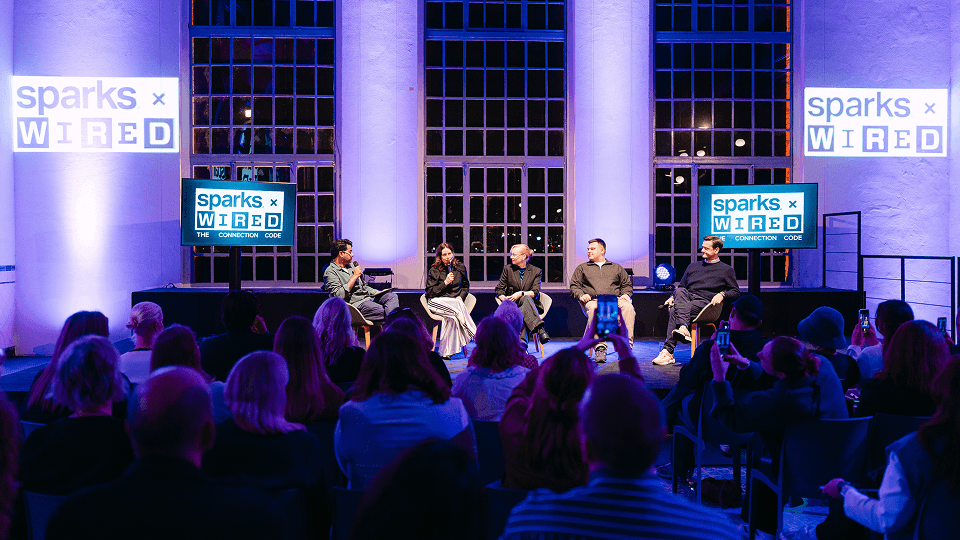
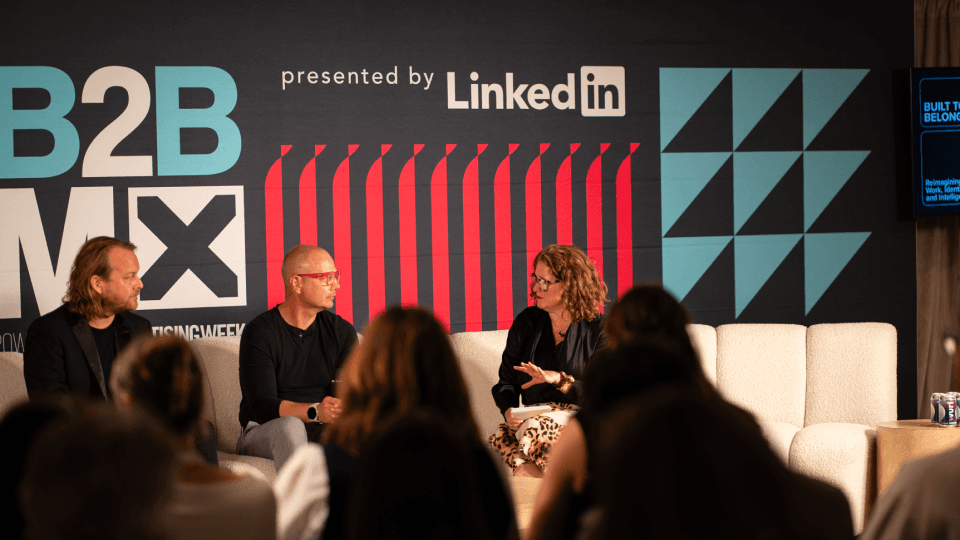
Sparks returned to CES 2026 with our boldest presence yet.
From immersive showcases and C‑suite conversations to insight‑driven storytelling and partner moments across Las Vegas, this year’s program proves why live experience now shapes the buyer journey.