
Healthcare event marketers are being asked to deliver more under tighter commercial pressure, and no single team can meet that challenge alone. At the Healthcare Convention & Exhibitors Association’s 2026 annual meeting, Sparks joined leading brand and industry voices to examine what the market is demanding of both partners and programs.
At a Glance
Kristin Castelli, SVP of Strategic Growth for the Healthcare vertical at Sparks, joined brand leaders Aleka Garcia of Johnson & Johnson MedTech and Erin Moore of Alcon, as well as Jessica Sibila of The Exhibitor Advocate and senior leaders from Spiro, Derse, 3D Exhibits, and Access TCA.
Across two sessions, they addressed the same challenge from complementary angles: partners must demonstrate value earlier and more clearly, while event teams need broader expertise to build stronger programs.
How the Buying Process Has Changed
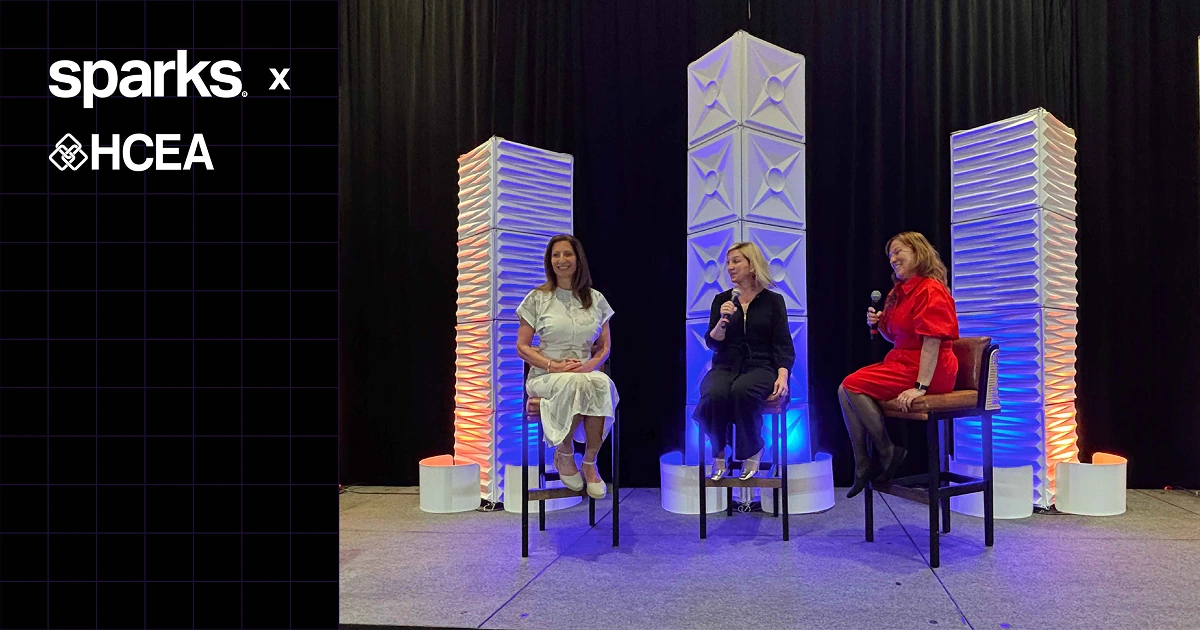
In a panel examining how new business pitches have changed, Castelli joined Jennifer Carnahan of Spiro, Jon Ellms of Derse, Diego Herrera of 3D Exhibits, and Matthew Yost of Access TCA, with Sibila moderating.
With client structures shifting, procurement tightening, and RFPs becoming more compressed and heavily scrutinized, agencies and suppliers need to overcome a higher burden of proof when it comes to showing their value. The panelists shared that by responding quickly, making complex buying processes easier to navigate, and showing how the work advances the client’s priorities, teams can increase their chances of success.
A Brand Perspective on How Community Is a Working Advantage
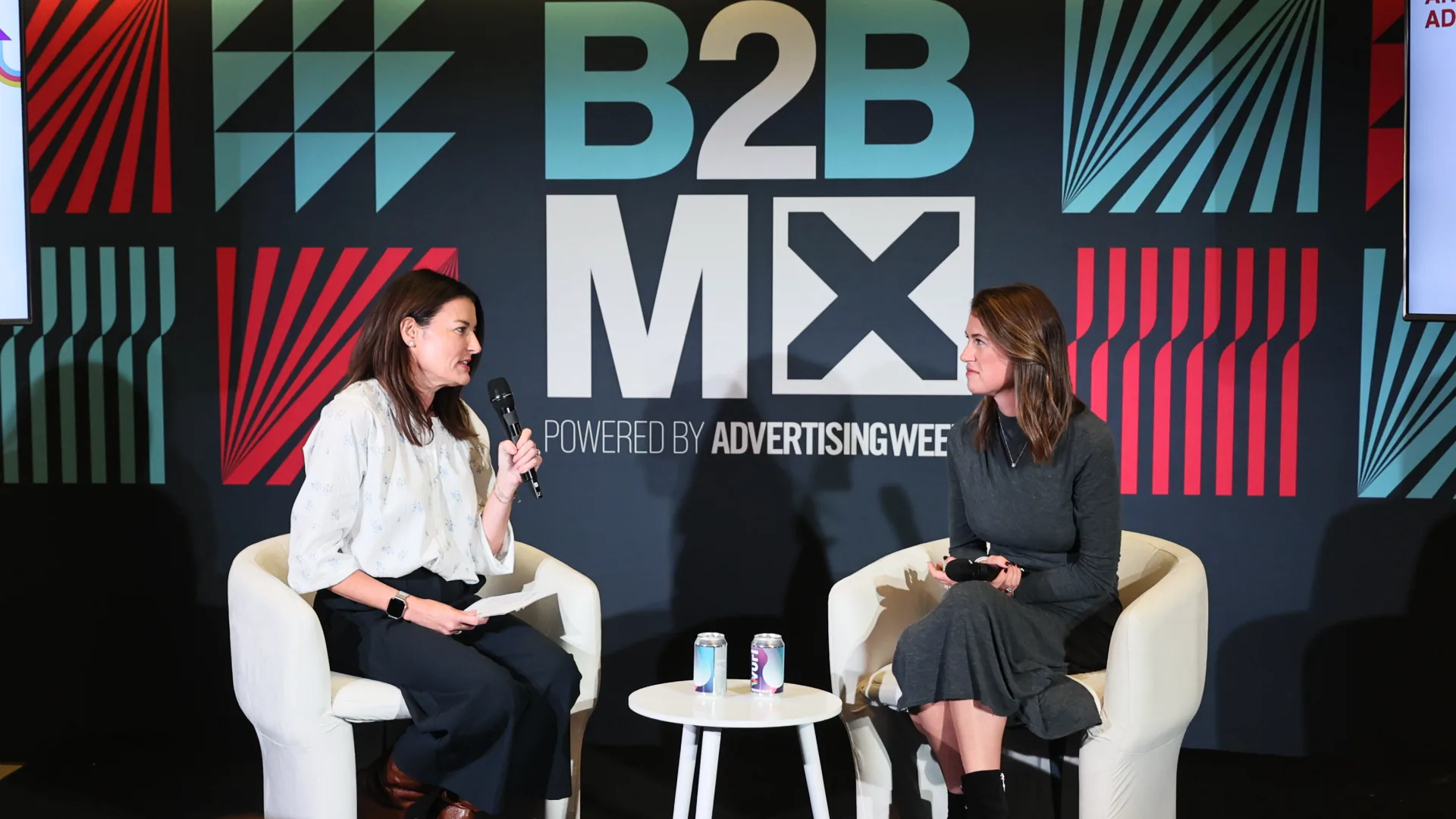
Castelli then moderated a conversation with Garcia and Moore on the role of community in building stronger exhibit programs.
Strong event programs depend on access to people beyond the immediate team. Peers and cross-functional partners bring fresh ideas and shared experience that can improve decisions, strengthen exhibit programs, and enrich the attendee experience. Garcia and Moore brought the brand perspective to a discussion about cultivating those relationships deliberately rather than leaving collaboration to chance.
The Tradeoff of Early Involvement
The advice to involve partners earlier is easier to give than it is to follow. A client who brings a partner in before the brief is written gives up some control over how the scope gets defined. But in return, they get a partner who can flag any concerns earlier on, while the plan can still change. Navigating this tradeoff is just one of many factors that goes into building a modern healthcare event program.
Frequently Asked Questions About HCEA
HCEA 2026 was the Healthcare Convention & Exhibitors Association’s 2026 annual meeting. Held in August, the event convened healthcare marketers, association leaders, exhibitors, agencies, and industry partners in Coral Gables, Florida.
Kristin Castelli represented Sparks on both panels, with Lori Carpenter and Staci Walters also on site. Diego Herrera, Yazmin Zayas, and Jerry Grady represented 3D Exhibits.
Castelli appeared with Jennifer Carnahan of Spiro, Jon Ellms of Derse, Diego Herrera of 3D Exhibits, and Matthew Yost of Access TCA. Jessica Sibila of The Exhibitor Advocate moderated.
A strong RFP explains the business problem before it lists deliverables. It should define the priority audience, the action the experience should drive, success measures, budget parameters, timeline, regulatory constraints, decision-makers, and evaluation criteria. Separate what is fixed from what is open to recommendation; otherwise, the process may reward compliance with the brief rather than the quality of the thinking.
Before the brief, budget, and format are fully locked. Early involvement allows the agency to test assumptions, identify risks, and align the scope with the brand’s goals, budget, timeline, and regulatory requirements. Done well, this does not lengthen planning; it prevents late-stage rework. The best time to ask for strategic value is while the consequential decisions are still open.
Start with the outcome the event is meant to influence. Depending on the program, that may be qualified HCP conversations, meeting quality, product education, content engagement, account progression, or pipeline influence. Define how the data will be captured—and who owns the follow-up—before the event. Then connect onsite behavior to post-event outcomes. Foot traffic is useful context, but it is not a business case.
Standardize repeatable elements and protect time for decisions that require judgment. Modular design systems, approved content pathways, clear decision rights, and fixed review windows reduce rework without flattening the experience. Speed comes less from rushing every task than from removing uncertainty early—a necessity as healthcare events face greater commercial pressure and higher expectations.