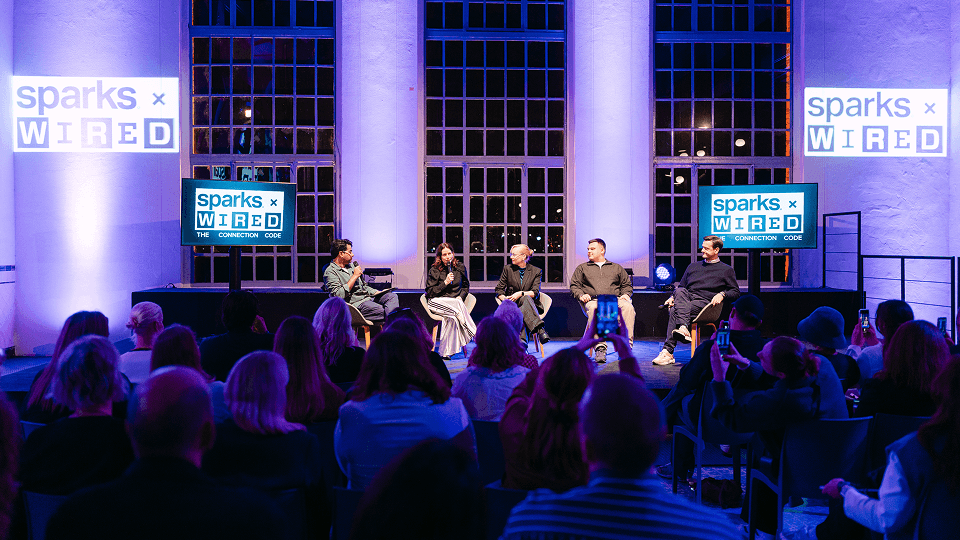

Mobile World Congress runs on announcements, demos, and keynotes competing for attention across a city that never quite sleeps during MWC week. For that exact reason, Sparks and WIRED chose a monastery.
The second chapter of The Connection Code — an exclusive invitation-only event series from WIRED and Sparks — took place inside the Monastery of Sant Miquel at Poble Espanyol in Barcelona. A place built for reflection, craft, and shared purpose. A deliberate pause from the scale and intensity of the show floor.
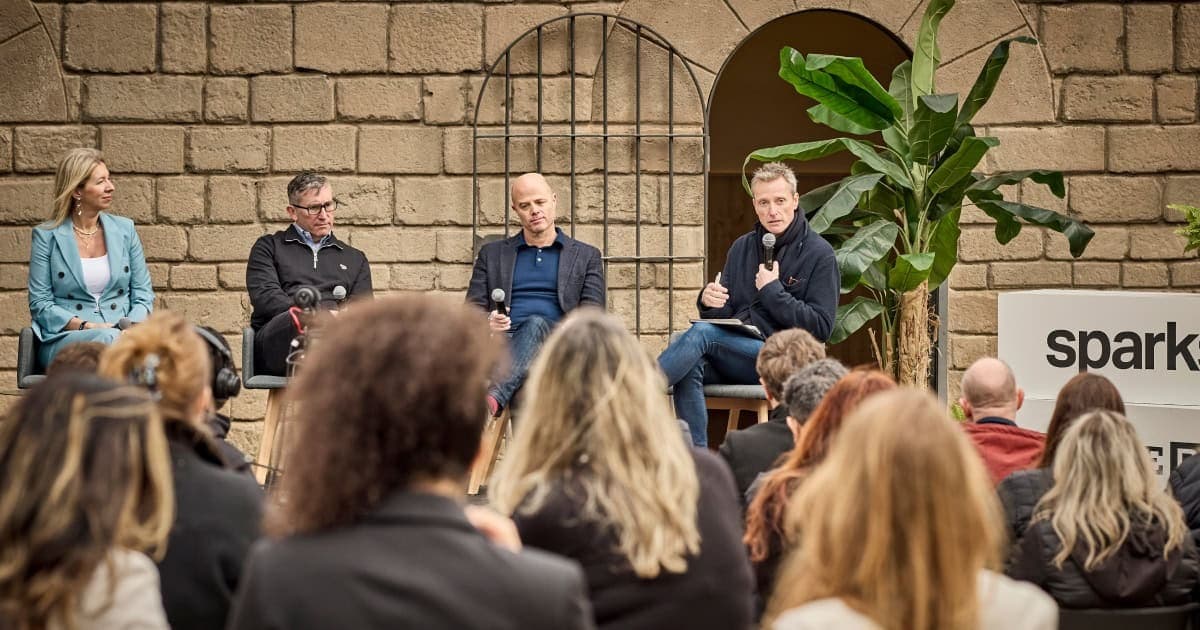
Inside Sant Miquel, a room of senior technology and industry leaders was asked to do something MWC rarely makes space for: pause, sit in silence, and write down — by hand — what they believed the future of human connection would look like. Not now. In 2036. Where does technology support it, where does it complicate it, and what are we most excited about?
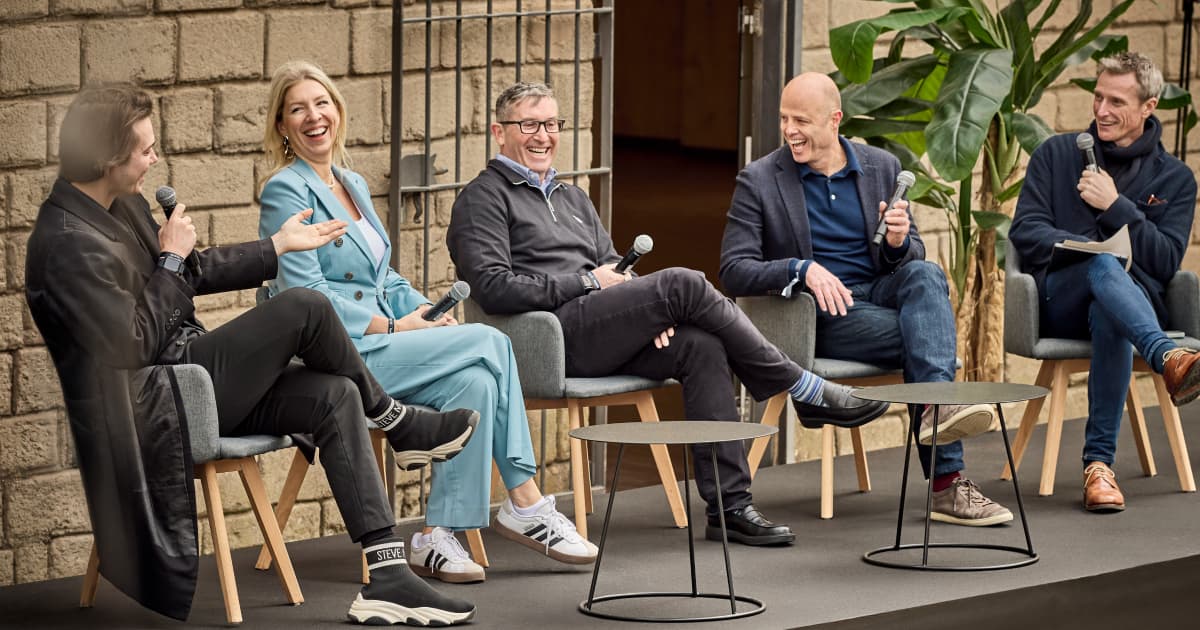
The conversation was hosted by Adam Charles, Chief Growth Officer at Sparks, alongside Jeremy White, Senior Innovation Editor at WIRED. Three perspectives shaped the discussion.
Tom Hale, CEO of ŌURA, made the case for what he called “quiet tech” — technology that steps back rather than forward. The ŌURA Ring doesn’t interrupt. It captures invisible signals — sleep, stress, recovery, readiness — and makes them legible, creating a shared language between people that deepens understanding without demanding attention. His provocation: the most meaningful connection isn’t more notifications. It’s noticing each other.
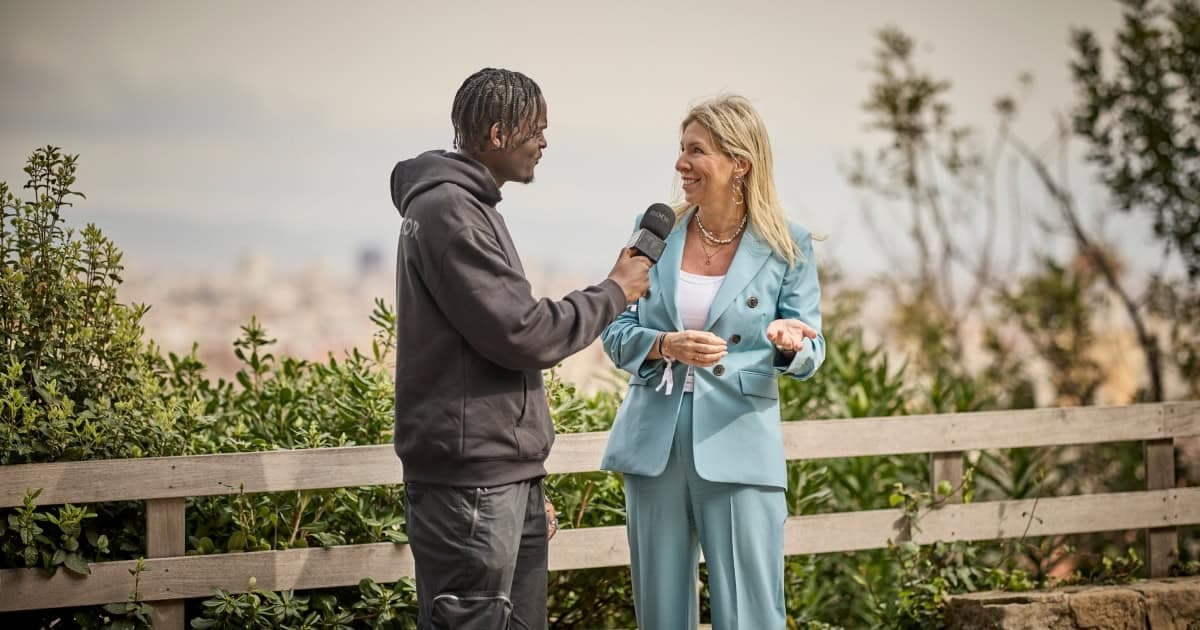
Elena Fersman, VP Head of AI Innovation and Incubation at Ericsson, explored how wearables, AI, and multisensory experiences might bring people closer — even at global scale. Her perspective centered on human prompts over automated ones: technology designed to create conditions for connection rather than simulate it. Quiet tech. Human first.
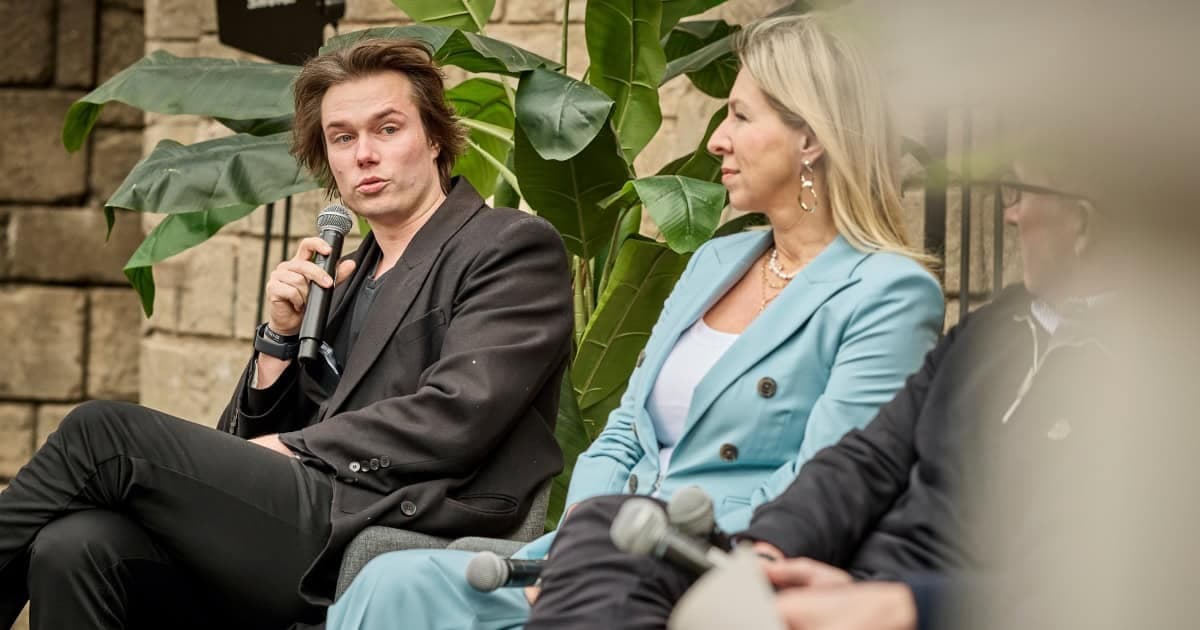
Otto Plesner, Creative Director at RenaiXance, brought a more cautionary lens. As AI accelerates, he argued, we risk losing the unstructured spaces where real connection actually happens. Boredom. Chance interactions. Lingering with a thought. These aren’t inefficiencies to be optimized away — they are the conditions that make meaningful conversation possible.
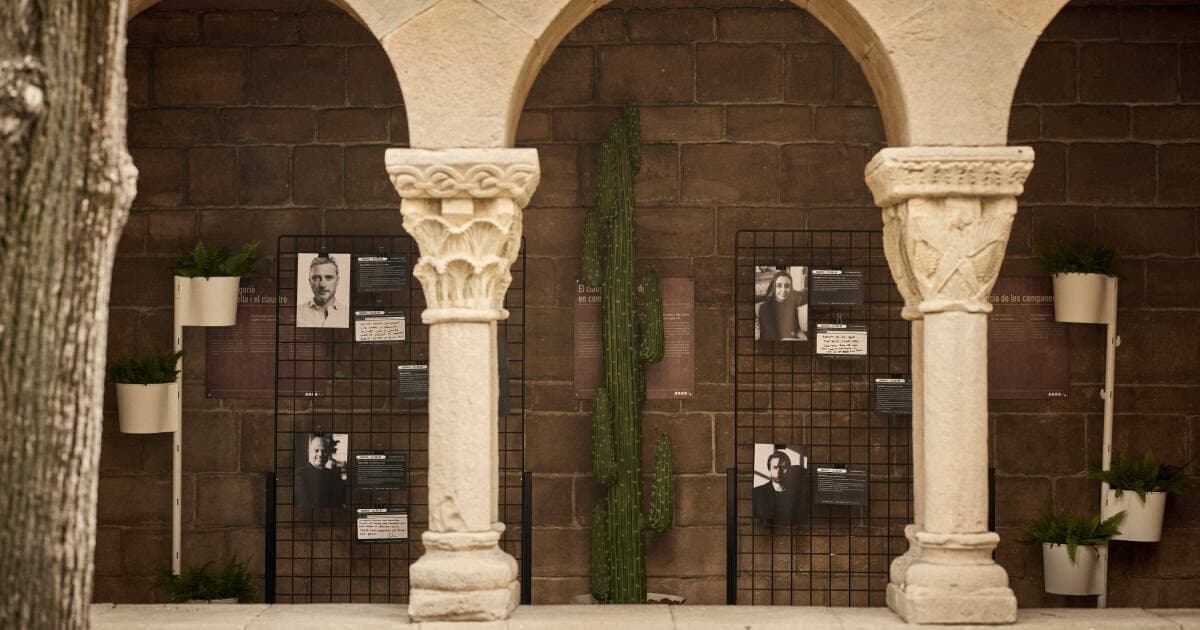
Guests contributed their own reflections at the Contemplation Corner — handwritten foresights collected across the session. Those thoughts don’t stay in the room. Transformed through AI into a living collective artwork, they travel forward — from a monastery in Barcelona to the screens of The Outernet at WIRED Health London — moving through time, context, and form.
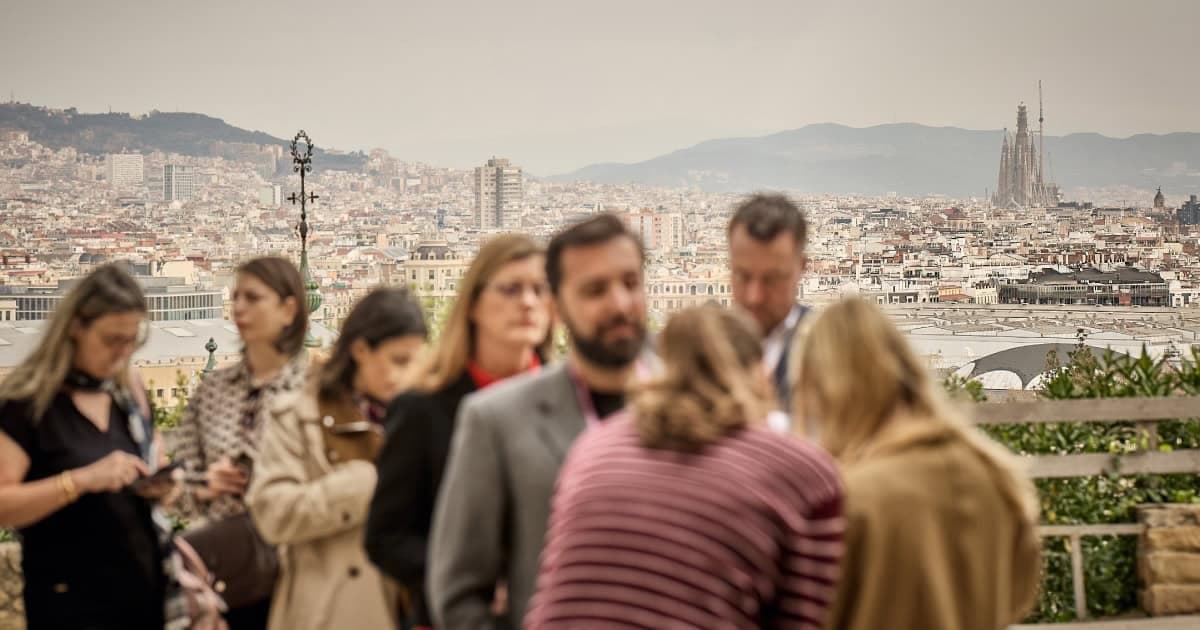
That’s what it looks like when experience is designed to move. Not just people through a space, but ideas through the world.
The Connection Code is an exclusive collaboration between WIRED and Sparks exploring how creativity and technology can bring people closer together. Content production for the series is supported by Young Creators UK (YCUK) — the UK’s first impact-led creative agency, dedicated to removing barriers to creativity and building careers for underrepresented young talent. A long-standing partner of Sparks, YCUK brings both creative excellence and a commitment to making the industry more accessible and equitable.