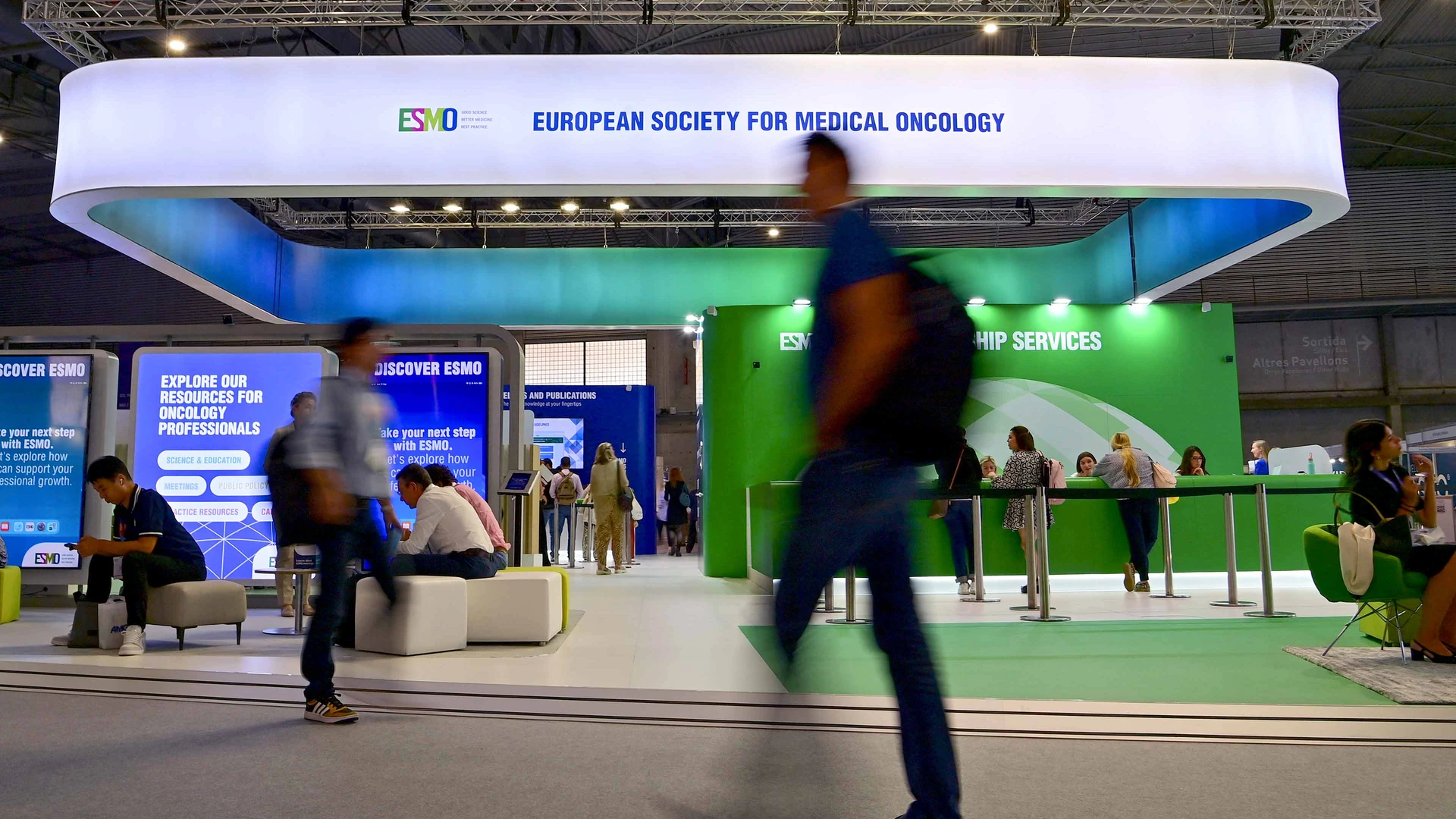

Healthcare brands face a singular challenge at every congress, trade show, and product launch: earning genuine attention in environments saturated with competing messages and competing agendas. The answer has never been a bigger footprint. It has always been a more intentional experience.
What has changed is the vocabulary of that experience. Bill Smith, Executive Creative Director at Sparks, has spent 26 years in the healthcare event industry — 12 of them at Freeman and Sparks — working with global brands including Gilead, Pfizer, Viatris, and Omnicell. His read on the current moment is precise:
Most healthcare brands are still designing for visibility. The ones ahead are designing for emotional intelligence.
Bill Smith, Executive Creative Director, Sparks
That shift is visible across every major congress floor today. A new generation of experiential movements is redefining how healthcare and life sciences brands engage HCPs, patients, and payers — transforming the physical event environment into a medium as precise and purposeful as the science it represents. These are not passing aesthetics. They are strategic shifts in how brands communicate trust, demonstrate innovation, and build lasting relationships. Here are the six movements defining what that looks like today.
1. Immersive Digital Environments
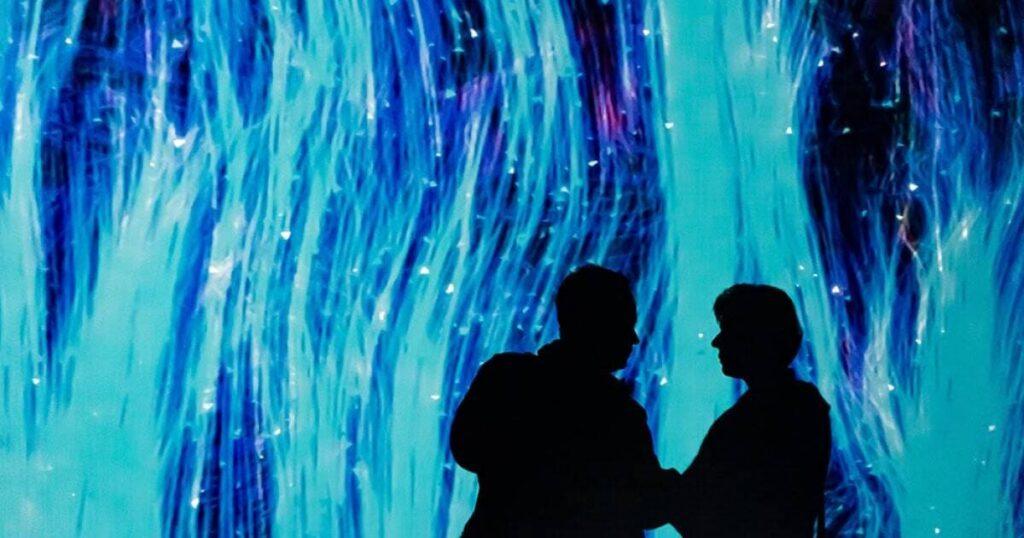
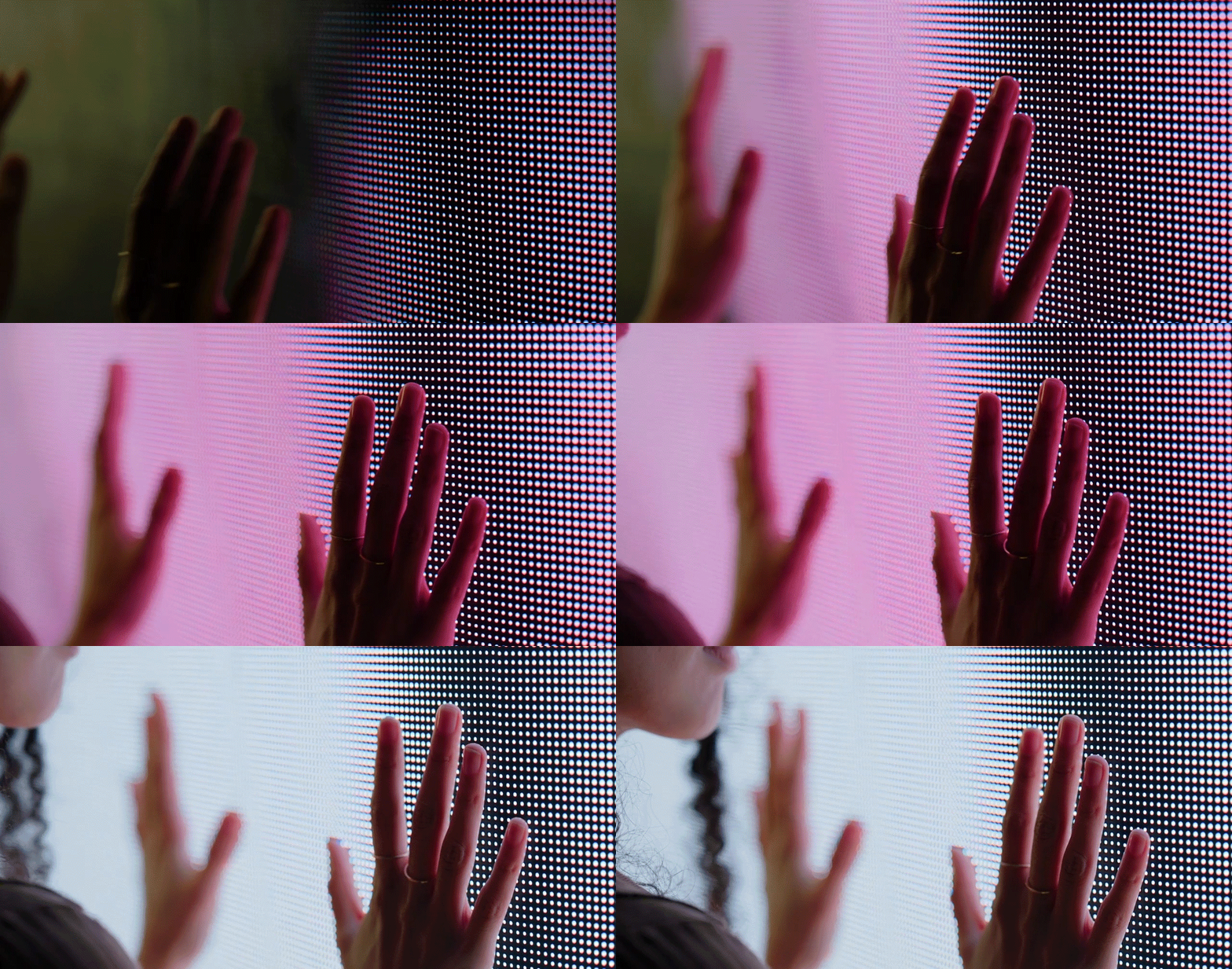
Immersive Digital Environments is the practice of transforming physical event spaces — booth structures, walls, ceilings, and product displays — into fully animated display canvases that envelop attendees in a continuous brand narrative.
In a regulated environment where verbal claims are carefully controlled, motion and visual narrative carry enormous communicative weight. A mechanism of action that takes minutes to explain verbally can be conveyed in seconds through precisely choreographed animation across a curved LED array. A patient journey that risks feeling abstract in a sales conversation becomes visceral when rendered at scale — from large dominant displays used as attraction pieces to interactive product installations that highlight clinical data or patient stories. According to Sparks and Freeman research, 41% of healthcare attendees say spectacular design attracts them to a booth.*
Sparks’ Creative & Interactive Technology and Creative Ideation & Design teams work in tandem to ensure Immersive Digital Environments are architecturally intentional — technology as a narrative tool, not a spectacle.
2. Multi-Sensory Brand Environments
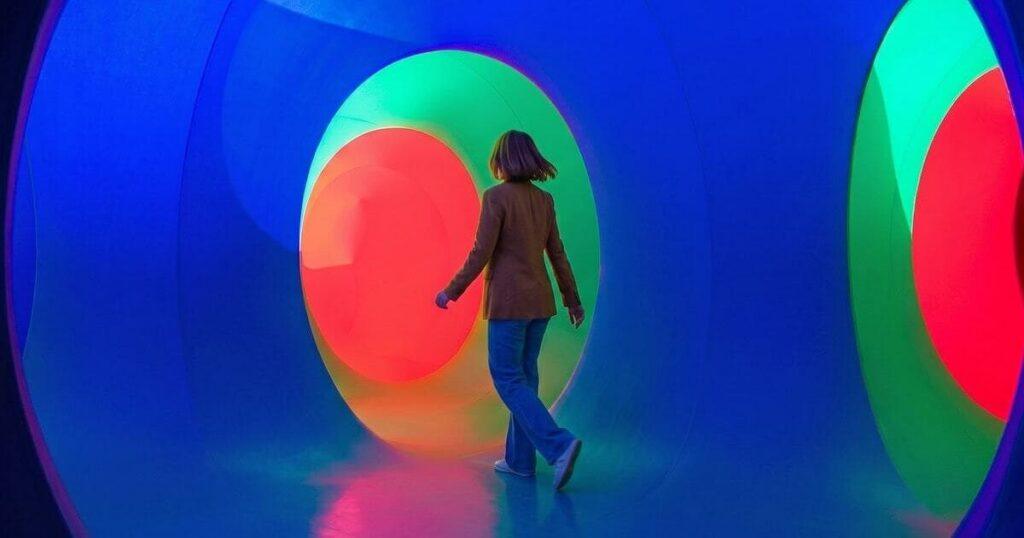
Multi-Sensory Brand Environments are experiential spaces that draw attendees into a themed world — using spatial design, sound, interactive technology, and emotional storytelling to create encounters that transcend the transactional.
In a trade show environment crowded with competing messages, attention is the scarcest resource. Multi-Sensory Brand Environments respond to that scarcity by placing attendees inside the narrative rather than presenting information to them. For healthcare and life sciences brands, the applications are both emotional and educational: disease state activations can give HCPs a visceral understanding of what patients experience; product launches can simulate clinical environments that demonstrate therapeutic impact in context. The most effective Multi-Sensory Brand Environments are built around a specific behavior, belief, or understanding the brand needs to shift — with every sensory element calibrated to serve that objective.
Sparks’ Brand & Experiential Strategy practice leads this process, mapping attendee personas and aligning the emotional architecture of these environments to measurable business outcomes, while Sparks’ Creative Ideation & Design team translates that strategy into spatial reality.
3. Large-Format Motion Content
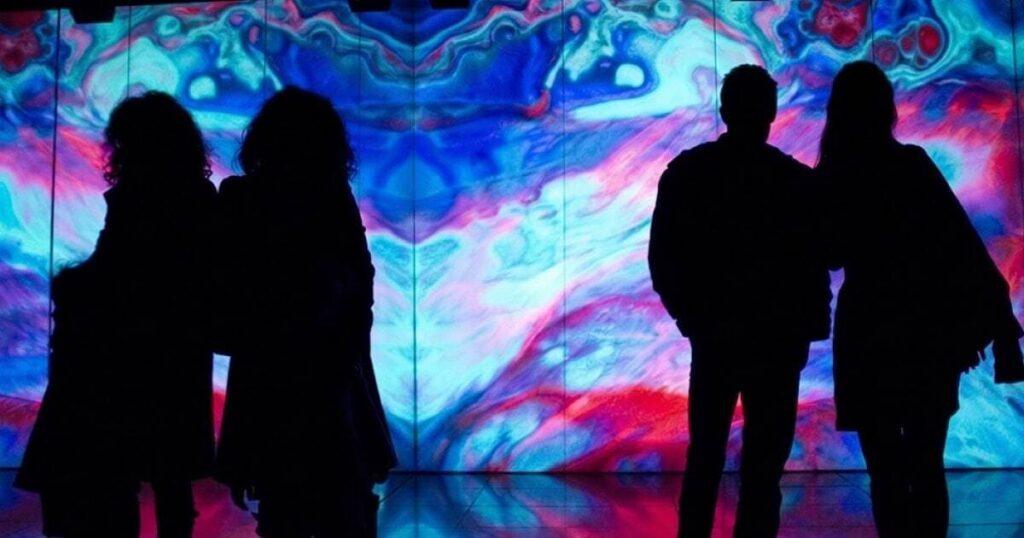
Large-Format Motion Content in healthcare experiential marketing refers to the use of high-resolution, large-scale video and animation — produced with film-grade intention — to transport attendees into narrative-driven worlds that communicate brand and clinical stories with the emotional power of cinema.
Narrative engages where data alone does not. When healthcare brands deploy Large-Format Motion Content with deliberate pacing, atmospheric sound design, and visual storytelling arcs, they activate a different mode of attention — one that makes stopping feel worthwhile. For HCPs navigating a busy congress floor, the difference between a video running on a monitor and a cinematic visual experience is the difference between background noise and a reason to engage. For clinically complex therapeutic areas — oncology, rare disease, CNS — this treatment honors the human weight of the science while making it accessible to the HCPs who need to understand it. According to Sparks and Freeman research, 82% of healthcare attendees say content quality attracts them to a booth.*
Sparks’ Content Development & Production practice brings film-caliber craft to healthcare exhibit environments, from script and storyboarding through motion graphics and large-format video production.
4. Biophilic Design
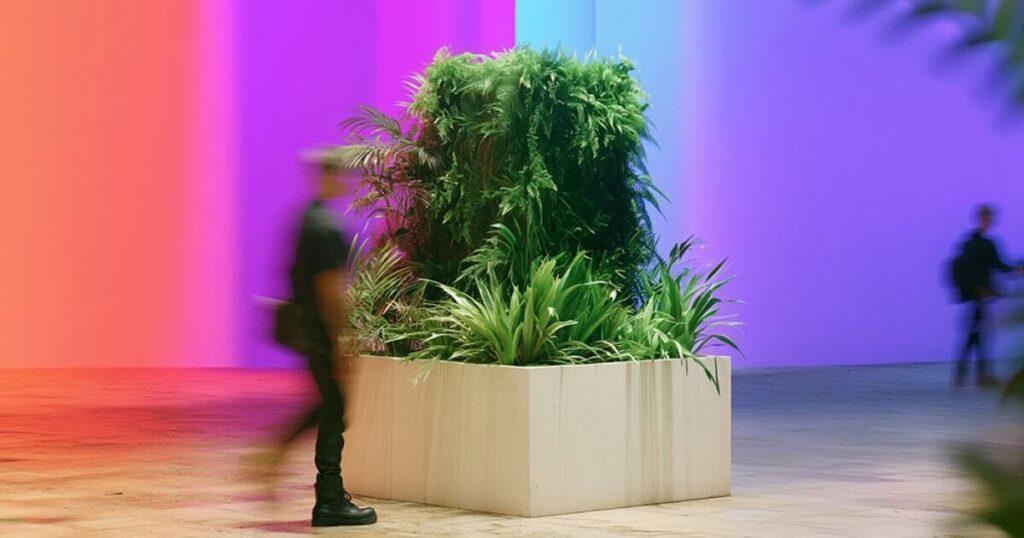
Biophilic Design in healthcare experiential marketing is the intentional integration of living plants, botanicals, and organic natural elements into exhibit and event environments — an evidence-based practice shown to measurably reduce stress, improve cognitive function, and increase dwell time.
Biophilic Design has deep roots in healthcare architecture, where the therapeutic effects of natural environments on patient outcomes are well established. Its application to the event floor is newer — and the brands doing it well have moved far beyond decorative greenery. The most effective activations integrate organic materials as structural and narrative elements: botanical walls that function as architectural dividers, living moss as a tactile surface, floral arrangements that reference a brand’s therapeutic area in biological form. When natural elements are woven into the design concept rather than layered on top of it, they change the felt quality of a space in a way no display technology can replicate — and create environments that HCPs simply want to spend time in.
Sparks’ Creative Ideation & Design team approaches Biophilic Design as an integrated spatial design challenge, working with Sparks’ Fabrication capabilities to engineer organic and built materials with structural precision.
5. AI-Powered Interactive Technology

AI-Powered Interactive Technology in healthcare experiential marketing refers to the deployment of intelligent interactive robots and photorealistic holographic digital avatars to deliver brand narratives, clinical education, and patient stories at the point of engagement — consistently, at scale, and without the constraints of traditional staffing models.
The most sophisticated applications of AI-Powered Interactive Technology in healthcare events are deeply purposeful. A holographic patient avatar can narrate a disease experience with an emotional authenticity that transforms clinical data into human understanding. An interactive robot can guide visitors through a product demonstration, respond to questions, and adapt in real time — extending brand reach across an event floor without the inconsistency that comes with large staffing models. In a regulatory environment where off-label communication is a persistent concern, these systems carry a distinct operational advantage: they deliver only approved messaging, consistently, across every interaction. For brands at major congresses engaging thousands of HCPs over multiple days, that consistency at scale is a meaningful competitive advantage.
Sparks’ Creative & Interactive Technology team designs and deploys these systems end-to-end — from concept and interaction design through software development, technology integration, and on-site management.
6. Branded Experiential Hospitality
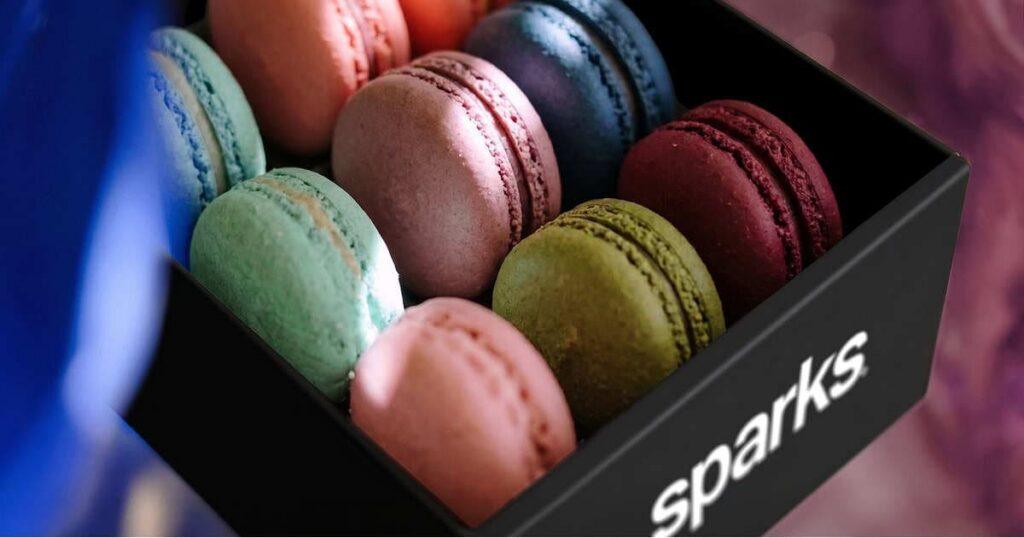
Branded Experiential Hospitality is the strategic integration of curated food and beverage experiences into the core brand narrative of a healthcare exhibit or event — treating hospitality not as an amenity but as an experiential touchpoint designed to attract HCPs, extend dwell time, and create the conditions for meaningful conversation.
The specialty coffee bar has become a fixture on the healthcare event floor. The brands generating real business value from it are the ones who have moved beyond hospitality as a crowd draw and into something more intentional: a curated experience inseparable from the brand story it supports. A botanical tea program for a precision medicine company. A cold-pressed juice station at a cardiovascular brand’s booth. A custom coffee blend named for a landmark clinical trial. These are not decorations — they are sensory expressions of a brand’s core message, generating dwell time and creating natural openings for scientific conversation. According to Sparks and Freeman research, 69% of healthcare attendees rank hospitality as the number one booth draw.*
Sparks’ Event Production and Brand & Experiential Strategy practices develop Branded Experiential Hospitality concepts fully integrated into the event design — from the physical serving environment and graphic language to the brand training that ensures every interaction at the hospitality station carries the same message as the rest of the exhibit.
A Principle That Runs Through All of It
Sustainability is not a movement. It is the operating standard.
The brands leading healthcare experiential today understand that how an experience is built matters as much as what it communicates. For Sparks and The Freeman Company, that means nearly a century of concrete environmental commitment. As a founding member of the global Net Zero Carbon Events (NZCE) initiative, The Freeman Company has committed to reducing greenhouse gas emissions by 50% by 2030, achieving net zero carbon by 2050, and reaching zero waste (90% diversion) by 2050. Sparks is also among the first US-based service provider members of Better Stands, a global initiative advancing the adoption of reusable booth structures. These commitments are operationalized through annual CDP and EcoVadis reporting, and ISO 14001 and ISO 20121 certification. Sparks’ Roadmap to Net Zero addresses four key areas: Fuels, Electricity, Materials, and Waste.For healthcare brands whose core mission is improving human health, working with a partner whose environmental commitments are this concrete is not a preference — it is an alignment.