5 Moves That Turn Healthcare Exhibits Into Trust Engines

Sparks Strategy
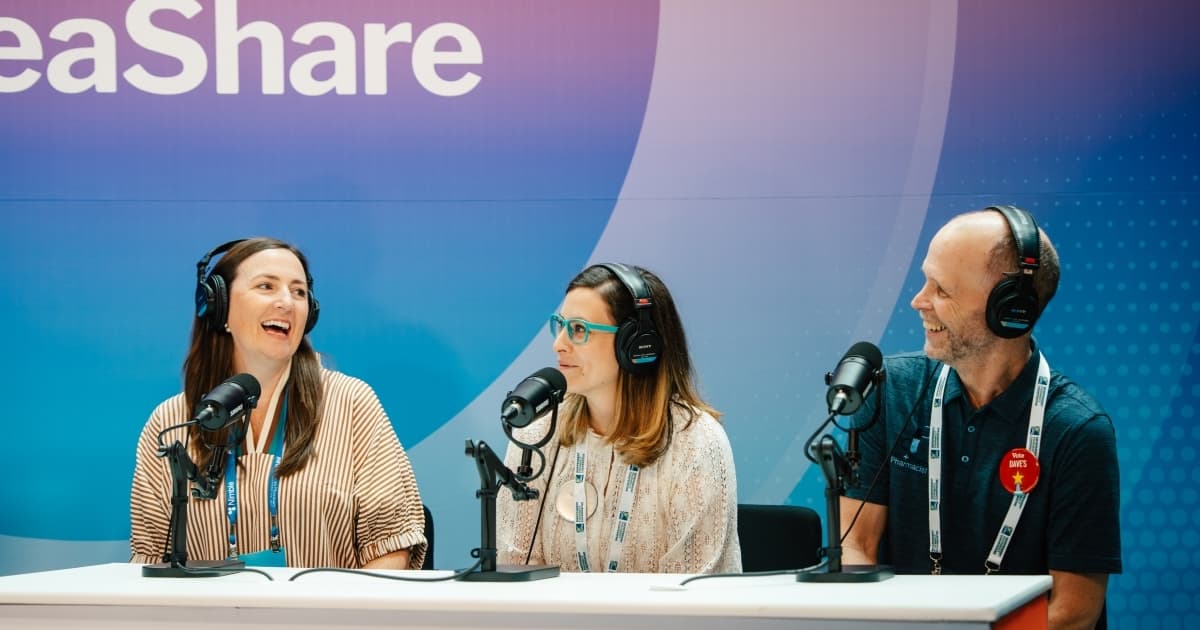
Compliance demands, generational shifts, and rapid technology adoption are reshaping how healthcare professionals engage and learn. As digital channels expand, trust and education have become critical differentiators. New research from Sparks and Freeman reveals why in-person experiences now play a central role in building credibility, connection, and measurable impact.
A Significant Shift in Value & Investment
We are seeing a clear uptick in value placed on events within the overall marketing mix and among audiences across all sectors. Brand investment and audience attention alike are realigning their focus from traditional broadcast and digital channels toward high-impact, in-real-life experiences. Sparks EventTrack 2026 data shows continued growth in experiential investment as brands recognize the ability of live experiences to drive meaningful business outcomes.
Events no longer function as a standalone tactic. They now operate as a lead discipline, serving as the engagement and content engine for the broader marketing ecosystem. In 2026, events will generate the moments, insights, and stories that not only fuel social, digital, and earned media amplification, but build lasting brand loyalty and trust with audiences.
Building Brand Trust Through Education
The shift is not anecdotal. It is measurable. 95% of attendees report increased trust in a brand following an in-person experience (2025 Freeman Trust Report). Face-to-face engagement initiates a measurable trust-building process, where direct interaction strengthens credibility and supports long-term loyalty. Research also shows that 63% of working professionals view in-person settings as essential for building confidence in business relationships (2025 ROI of Relationships).
Trust closely aligns with the primary reason healthcare professionals attend events. Learning and professional development rank as the top objectives for more than 80% of attendees across all sectors (EventTrack 2026).
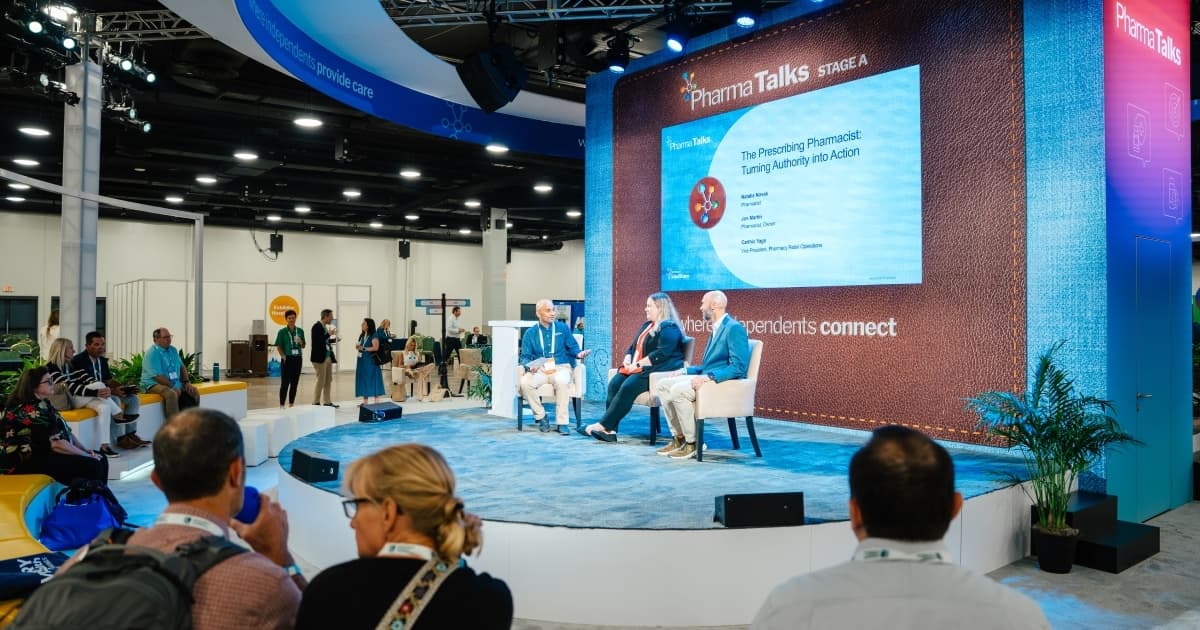
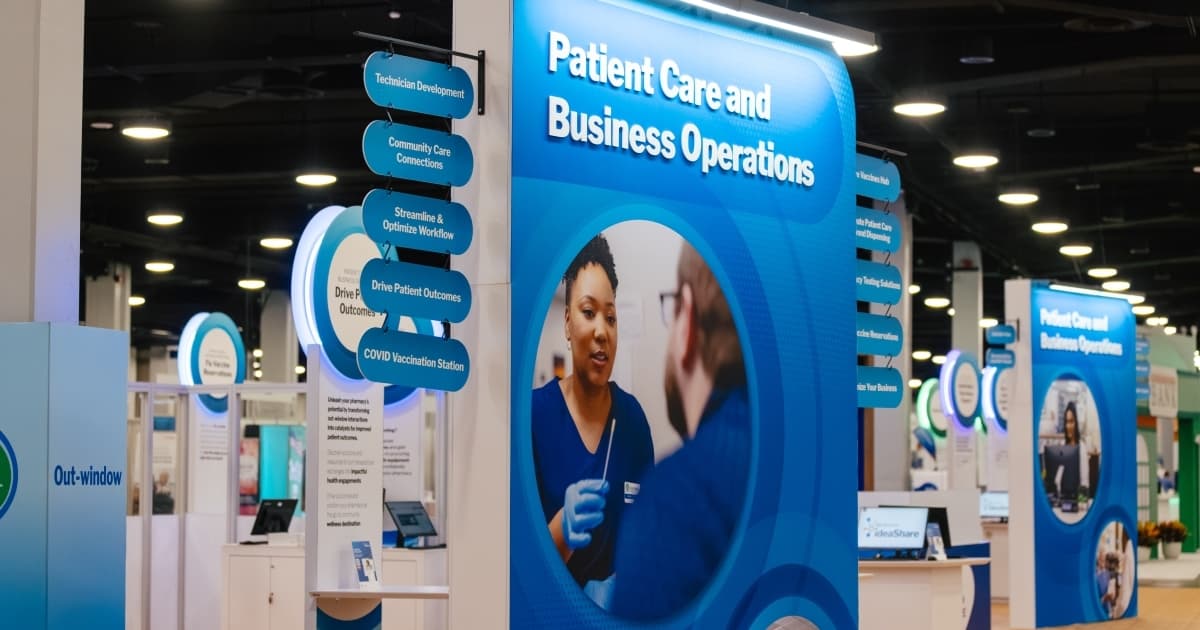
This dynamic becomes even more critical for the next generation of specialists. While digitally fluent, 69% of younger professionals, including those in healthcare, report feeling more isolated by technology, and 91% seek a healthier balance between digital tools and in-person connection (2025 Gen Z Report). The exhibit environment offers a powerful opportunity to close this gap. Spaces designed for transparency, peer-to-peer exchange, and expert dialogue create the human-led education clinicians rely on when evaluating a brand, therapy, or technology.
The Action Plan
1. Leverage content as the engine.
Your exhibit fuels both PR and social content while also serving as a high-value knowledge hub. With education now the primary driver for attendance, clinical insights and content shared on the show floor can become foundational content for a year-round communication strategy.
2. Align budget with trust-building moments.
Direct investment toward experiences that foster credibility and confidence. Consider reallocating spend from high-frequency, low-engagement digital impressions into immersive clinical simulations or dedicated “Ask the Investigator” spaces that encourage meaningful interaction.
3. Prioritize transparency.
Design your environment to support deep-dive data discussions. Providing direct access to medical experts addresses the 63% of attendees who rely on face-to-face engagement to build confidence in scientific claims.
4. Create intentional connection points.
Respond to the isolation reported by 69% of younger professionals by incorporating structured networking, mentorship, or peer-exchange areas. Interactive community spaces signal partnership and differentiate your brand from traditional booth formats.
5. Personalize the journey.
Use non-intrusive tools such as heat mapping, RFID or NFC interactions, or brief digital entry surveys to tailor your experiences. Guide clinicians and healthcare providers through real-world scenarios from diagnosis to treatment, incorporating clinical simulations and digital storytelling. Use AI to extend personalized recommendations beyond the booth—to promote speaking sessions or other post-event follow up.
Ready to turn these insights into measurable impact? Let’s build a strategy tailored to your brand’s clinical, compliance, and commercial goals.