The Opportunity
Rather than introducing Nano Banana exclusively through messaging or demonstration, Google Gemini sought to provide festivalgoers with a direct way to experience their image generation and editing feature. The interaction needed to be easy to understand, personal to each guest, and suited to the social, visual environment of Coachella.
The experience also had to work reliably throughout two weekends in the California desert. With many other attractions competing for their time and attention, the brand was looking for guests to enter, participate, and move through the activation while the technology remained protected from heat, wind, and the demands of continuous festival use.
The Solution
Sparks developed the main activation around a simple guest journey: attract attention, welcome people into the space, make the Gemini Photo Booth interaction easy to understand, and give each participant something personal to take away.
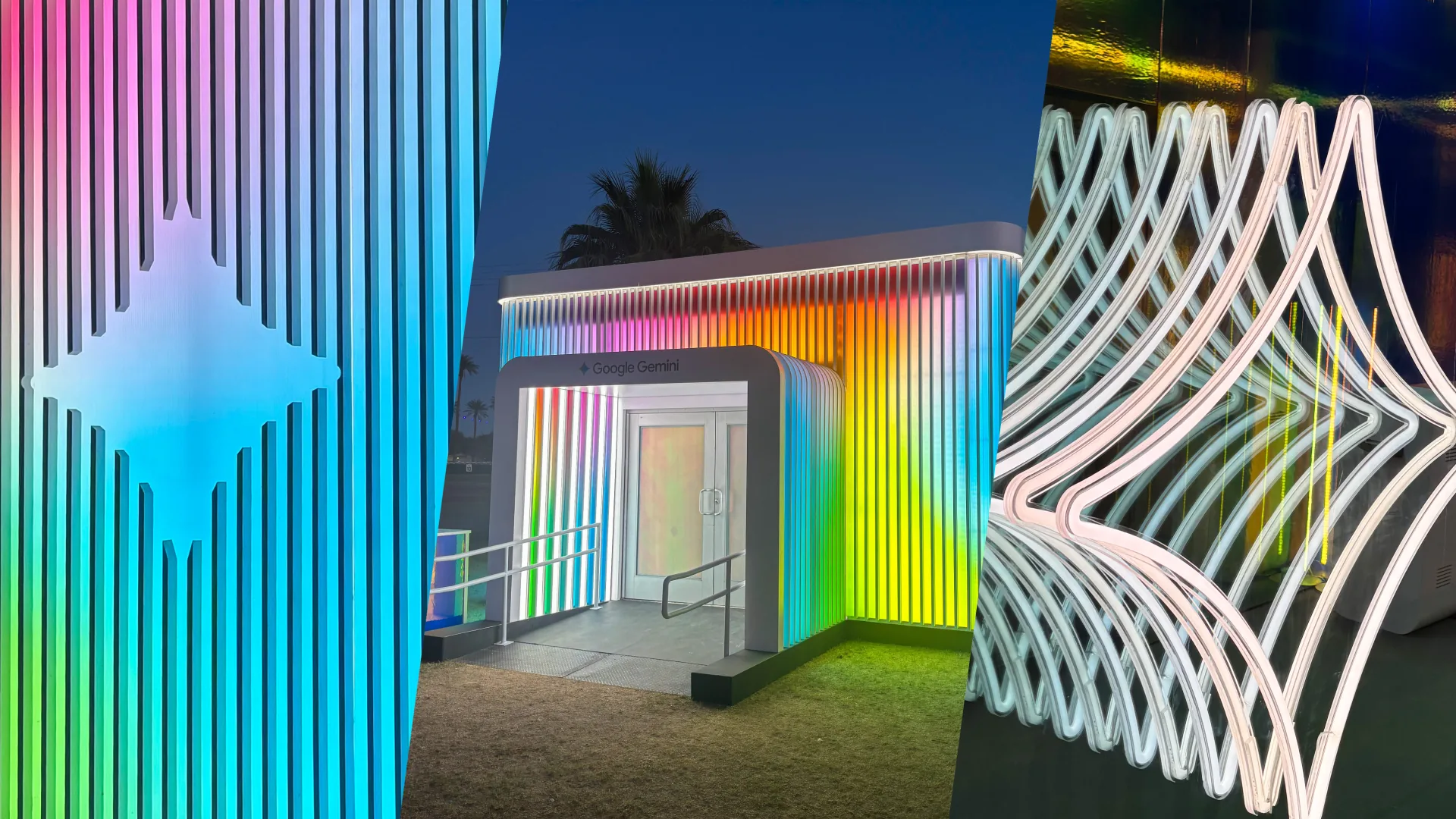
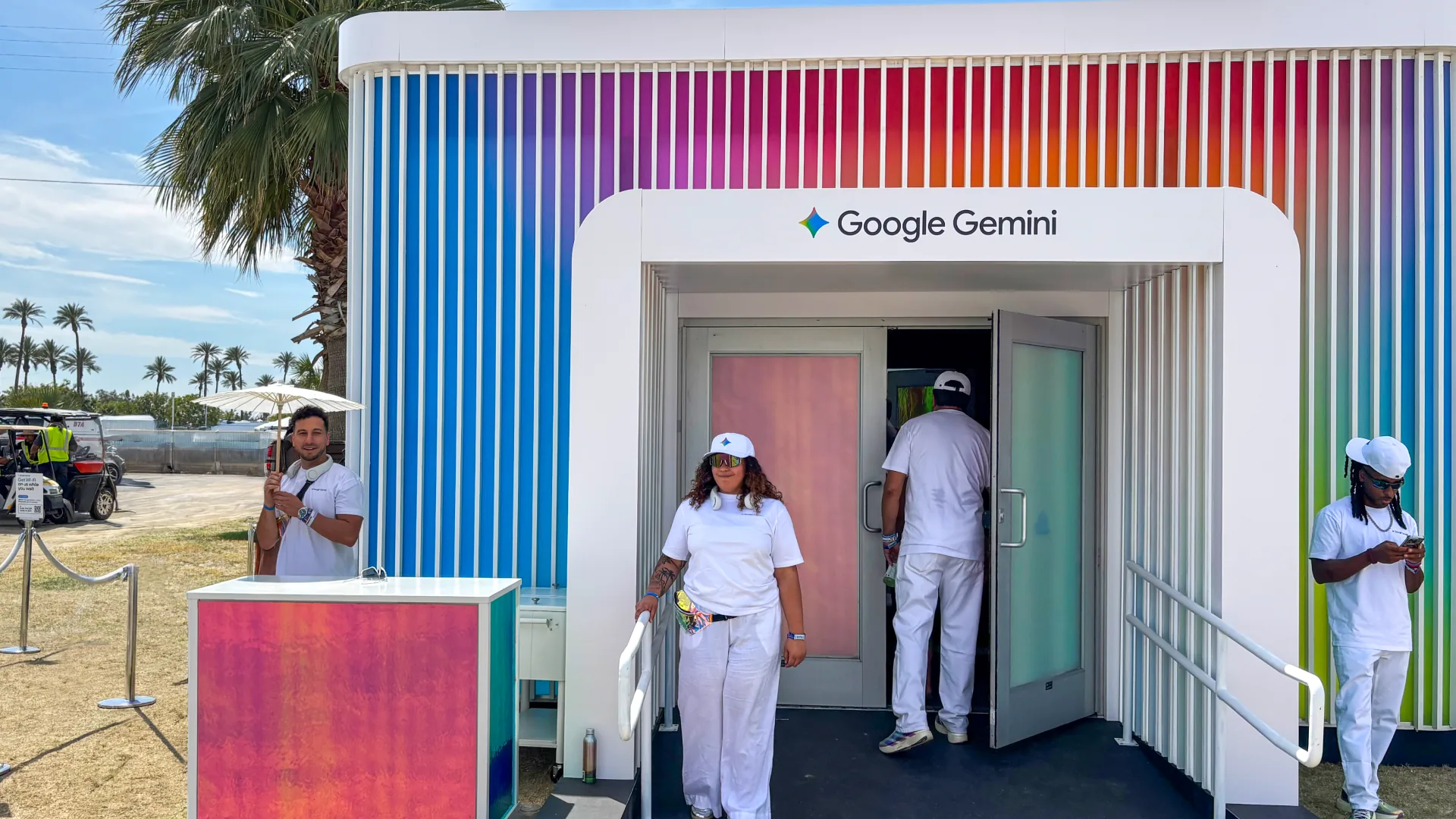
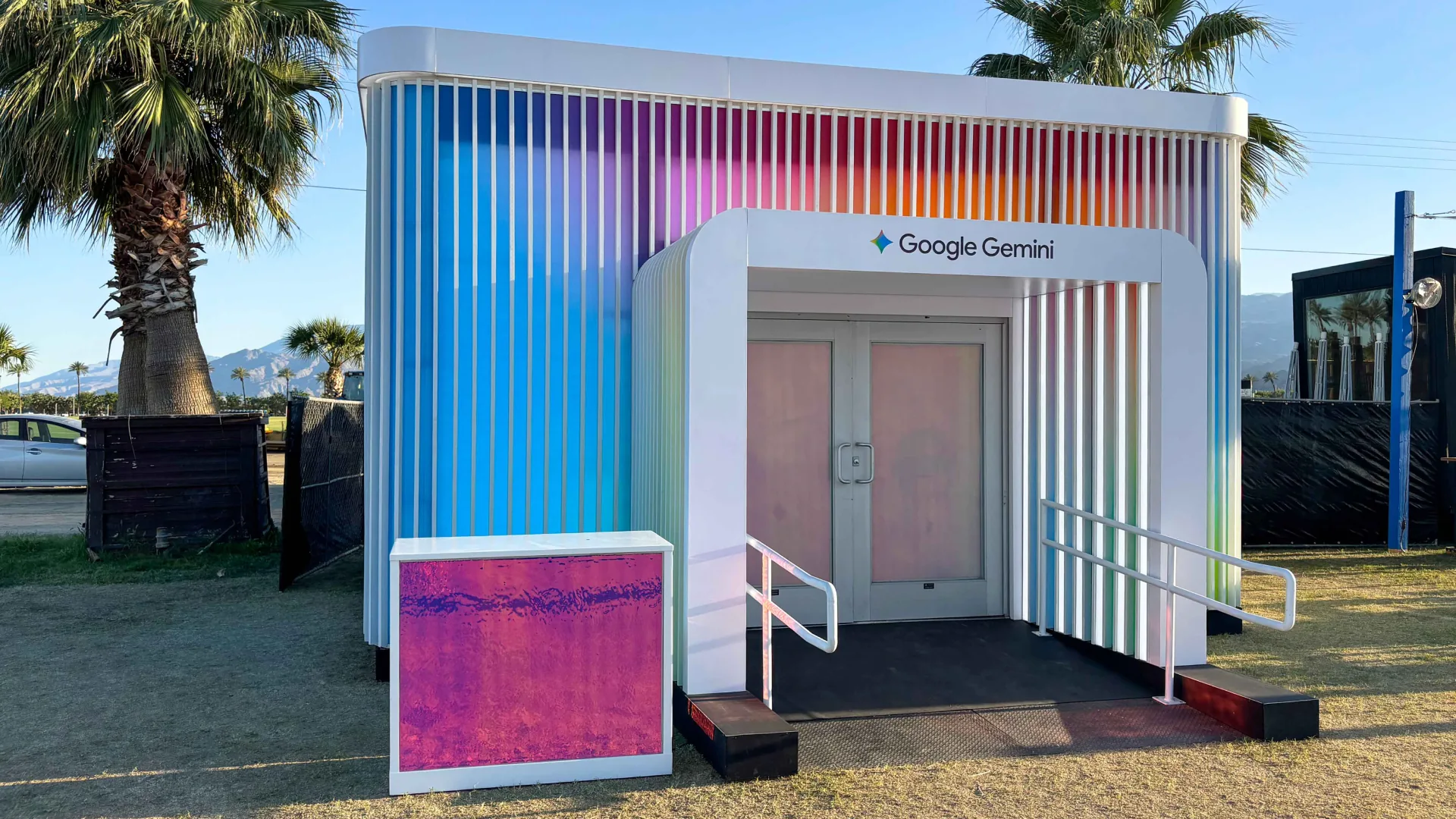
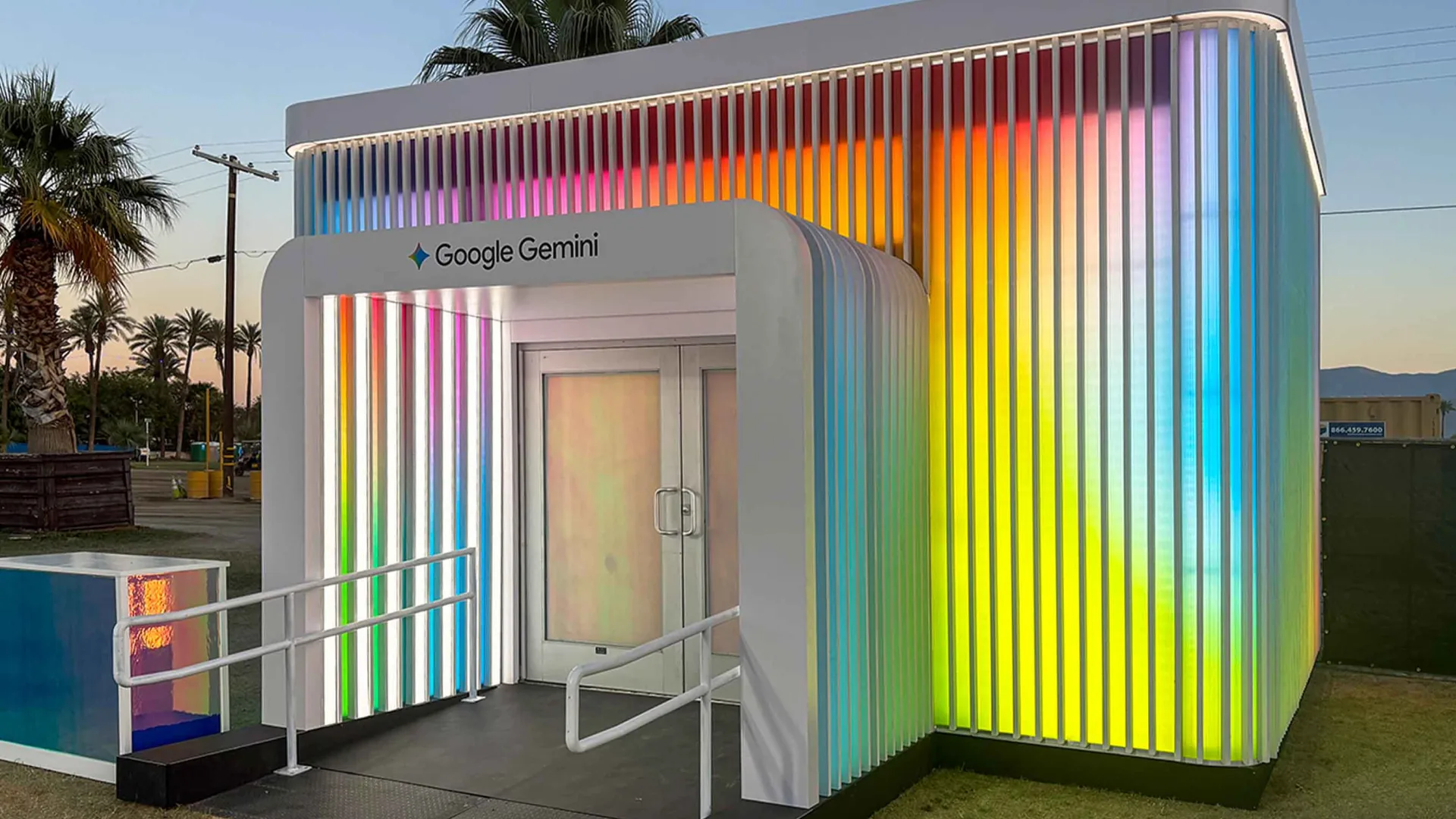
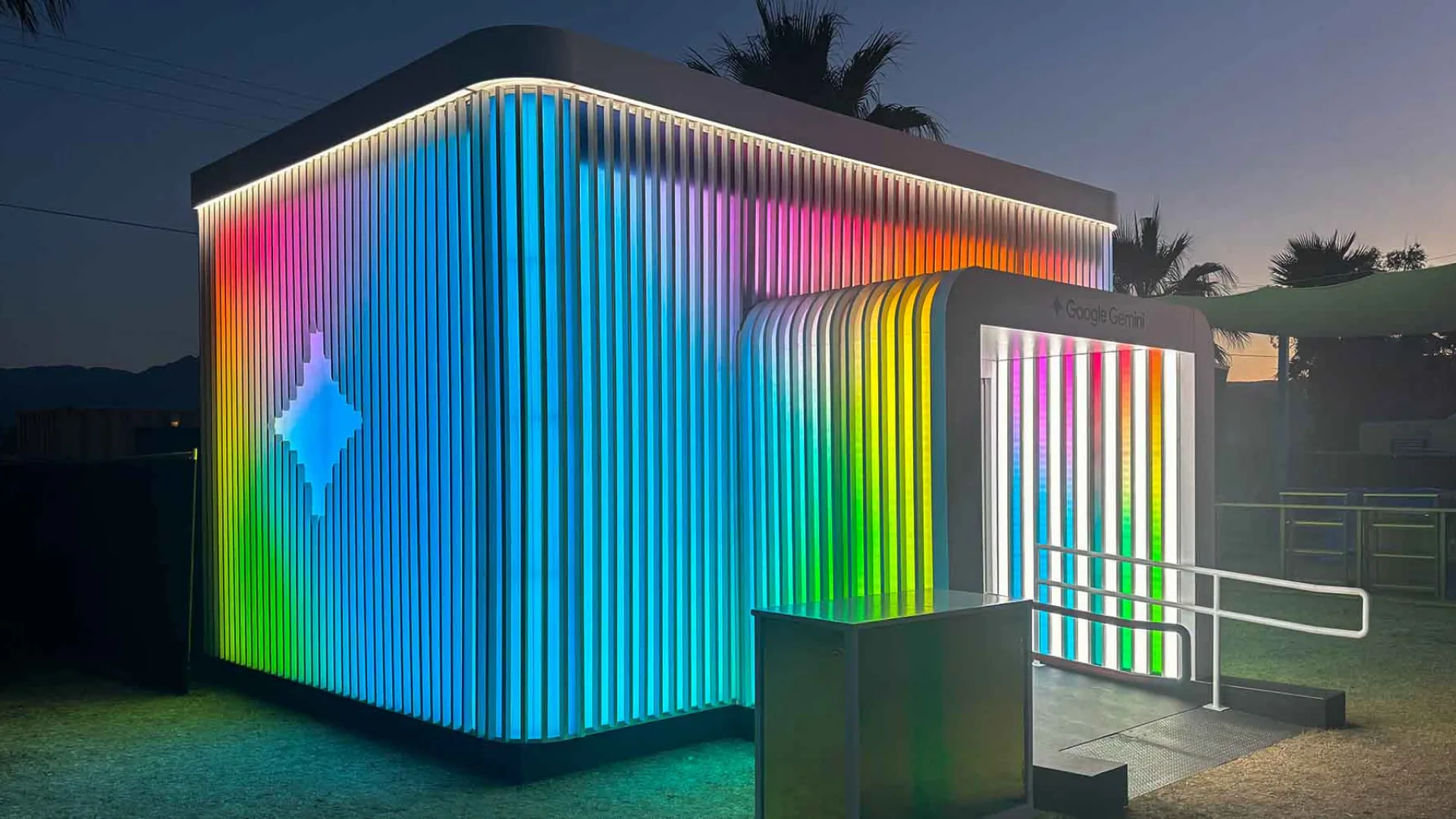
A color-shifting, illuminated exterior gave the activation a strong visual presence during the day and after dark. Guests waiting outside were offered cold water, providing some relief from the desert heat before they entered.
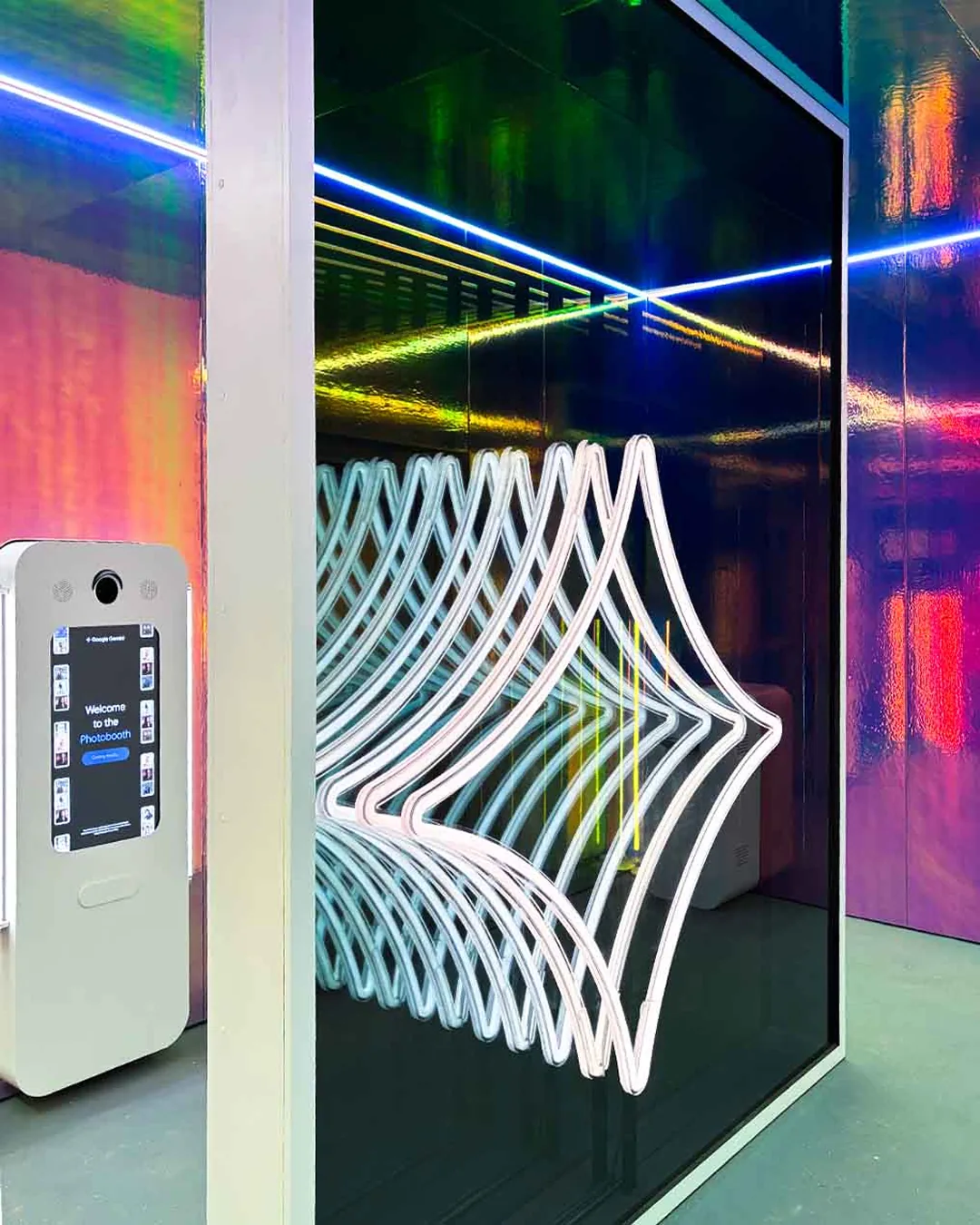
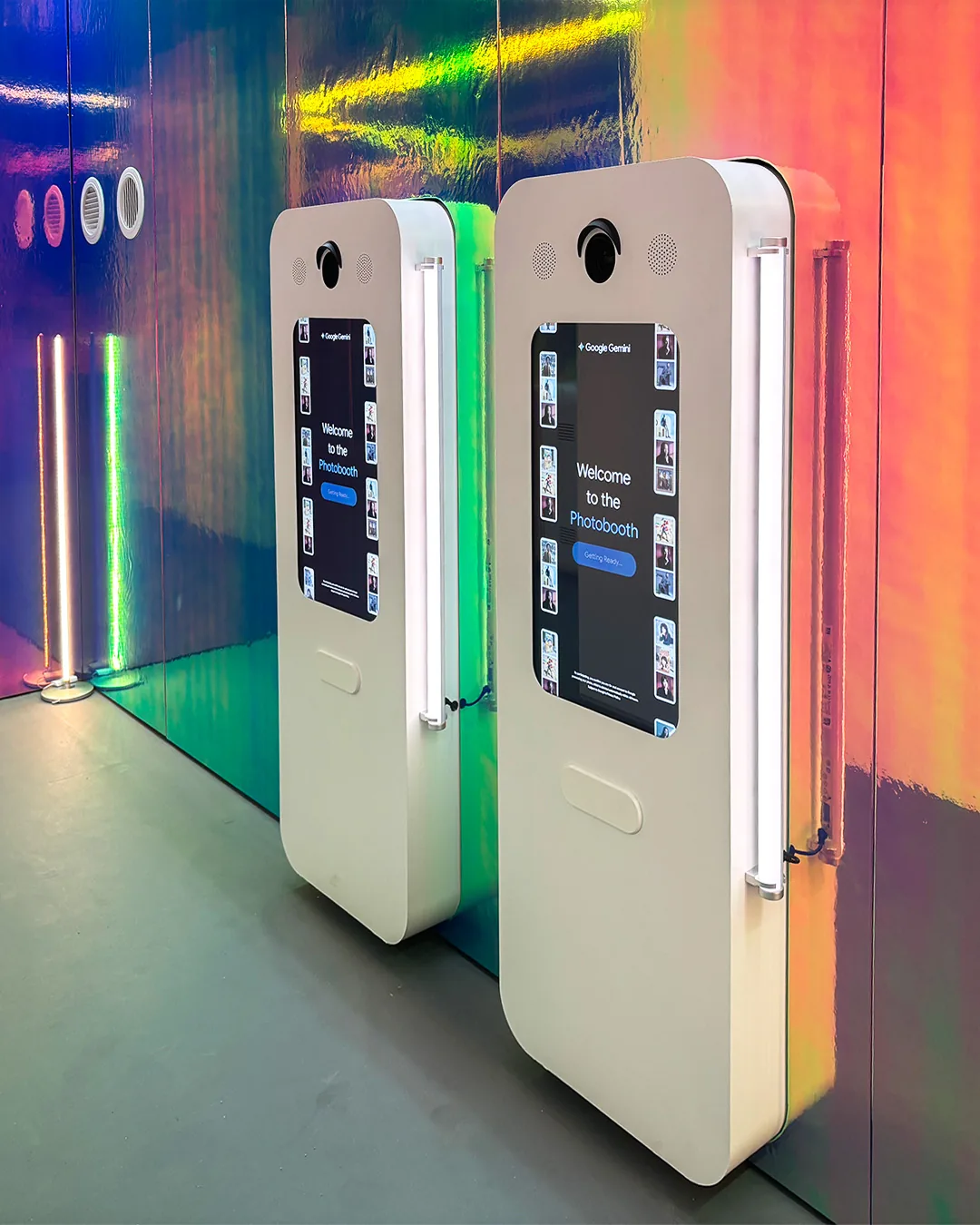
Inside, brand ambassadors welcomed guests into a fully mirrored environment, where the Gemini logo was the first major brand element they encountered. From there, visitors moved to one of two kiosks for the Gemini Photo Booth experience.
At the kiosks, guests selected from several Coachella-themed filters before posing for their photo to be taken. The Nano Banana-powered Photo Booth then generated the personalized image treatment. Each participant received a printed photo strip as well as a QR code that provided digital access to the images.
The experience gave guests an immediate way to understand the product through use. Rather than asking them to interpret what an AI image model could do, the activation let them create something connected to their own festival experience and take the result with them.
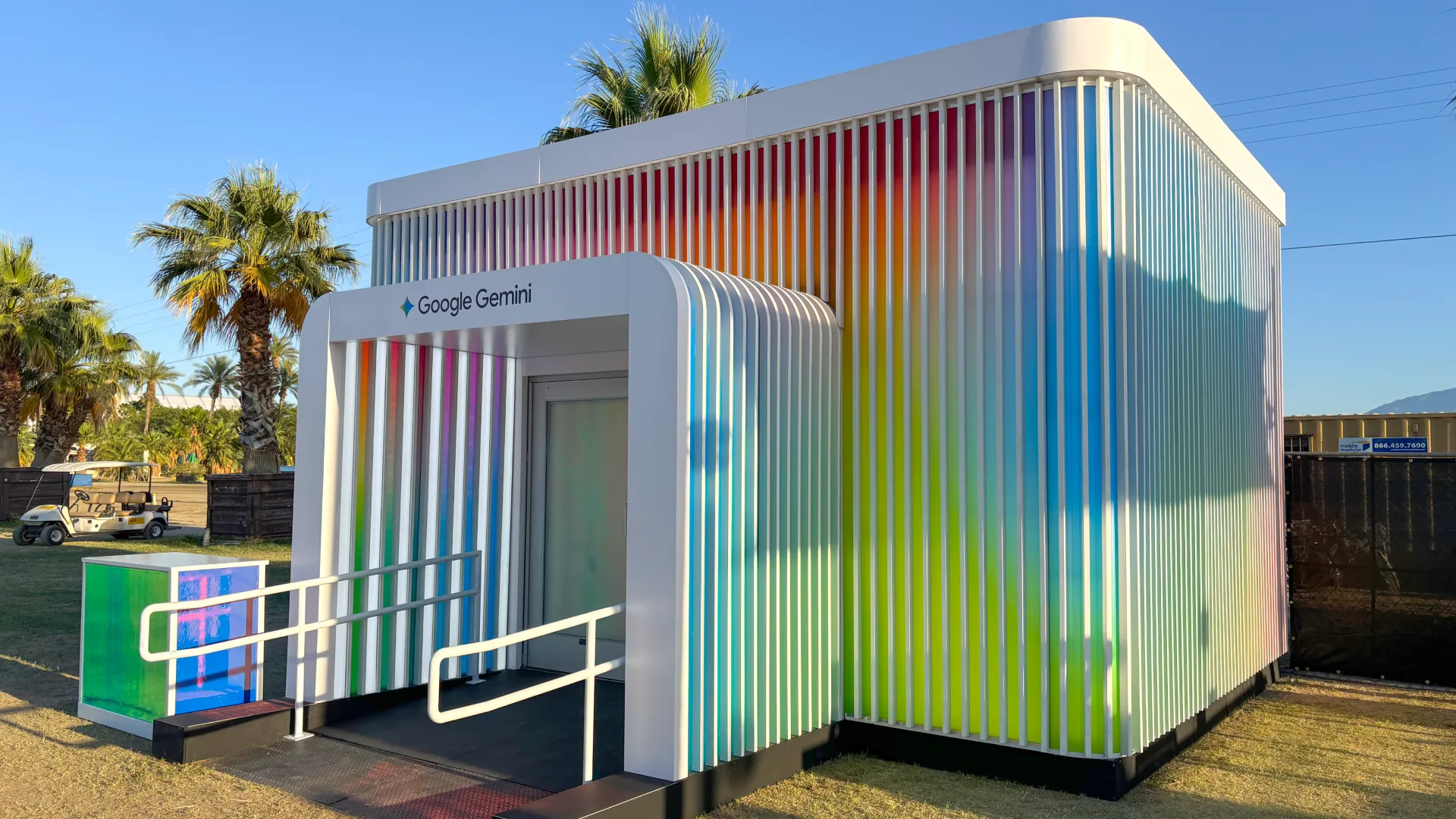
The physical environment had to support both the guest experience and the technology powering it. Sparks planned the layout around the actual footprint of the kiosks, the number of people moving through the space, and accessibility requirements.
The desert conditions shaped the production plan as well. Equipment needed to be protected from extreme heat and high wind, and the interior was climate-controlled to support both reliable operation and guest comfort.
Sparks also managed the activation’s exterior branding within Coachella’s site guidelines. The festival maintains specific requirements for the placement, scale, and visibility of branded signage, so Sparks worked through the festival’s review process while preserving the creative direction established for the experience.
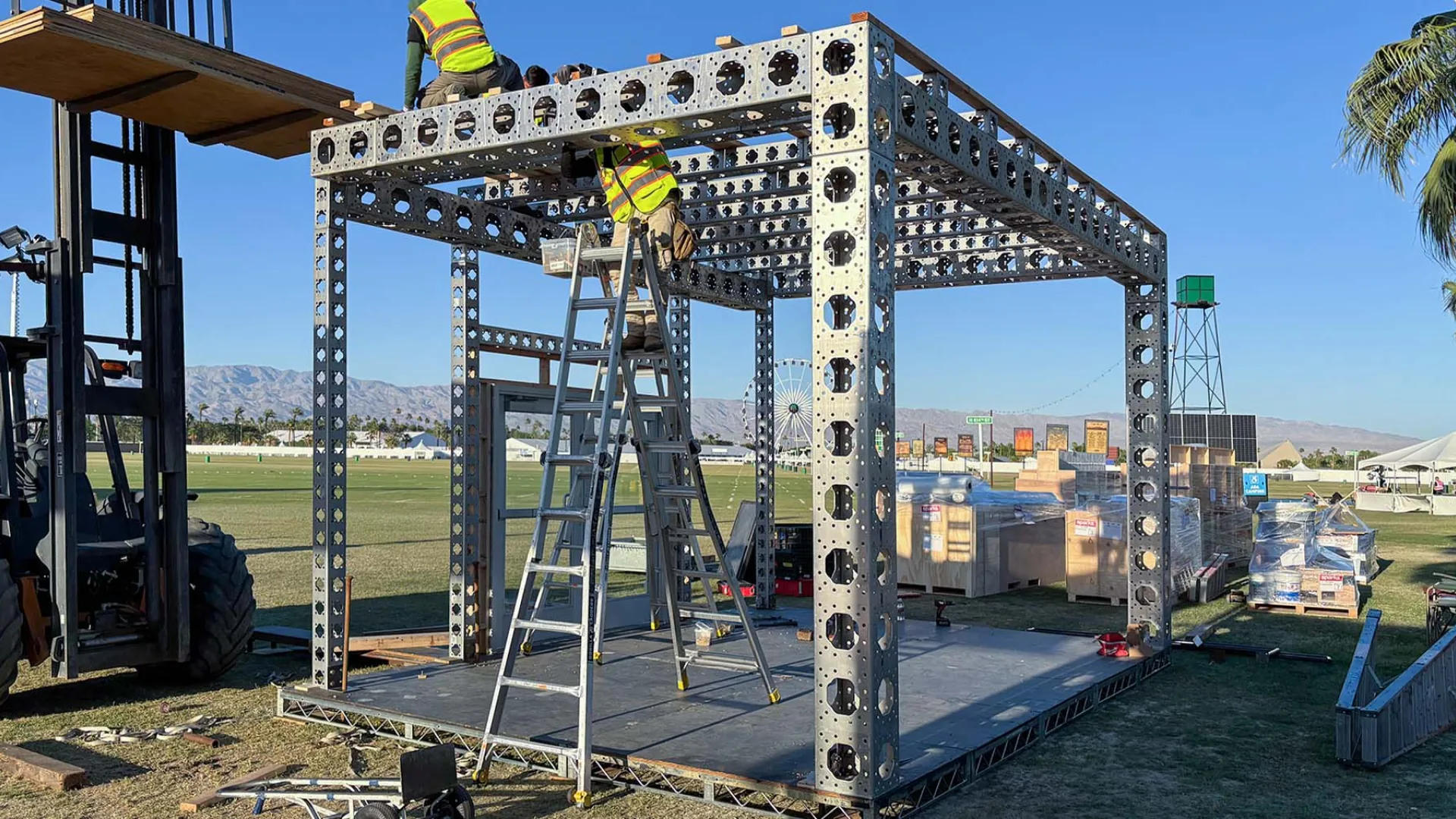
The brand had just three weeks to take the main activation from design through permitting and engineering approval to a completed build ready for load-in. Sparks coordinated directly with the Coachella team on permits, approvals, and the schedules for installing and removing the experience.
Production also followed the festival’s strict procurement requirements, including sourcing materials, equipment, and rentals through Coachella’s designated vendors.
Sparks also managed day-to-day operations across both festival weekends and refreshed the environment between them, helping the space remain ready for guests throughout the full run.
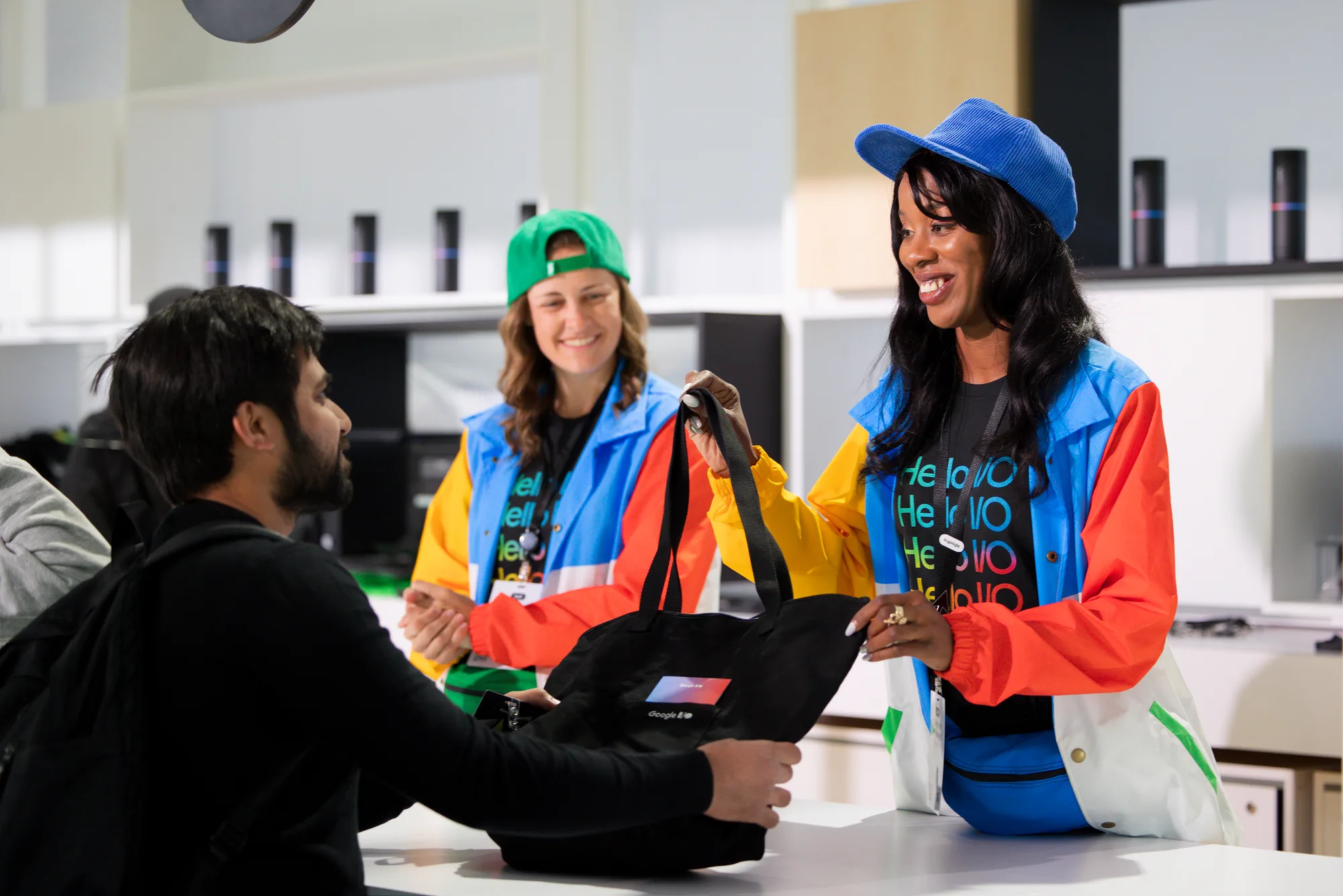
The teams also worked together to coordinate visits from creators while the public experience continued to operate. Across all four Gemini Photo Booth activations at Coachella, Sparks managed the recruitment, training, and uniforms for the brand ambassadors responsible for welcoming and guiding guests.

The Impact
The activation gave festivalgoers a personal reason to engage with Gemini app and a concrete way to understand what the technology could do. Instead of encountering AI image generation as an abstract capability, guests experienced it through something connected to their own time at Coachella.
That interaction also gave Google Gemini a way to extend the experience beyond the activation itself. Guests left with both a physical photo strip and digital access to their images, giving them something they could revisit, share, and talk about after the festival. In turn, the experience created a stronger foundation for future familiarity with Gemini app, and Nano Banana specifically, by attaching the technology to a memorable, personal use case.
AI became something guests could experience for themselves
The activation translated an unfamiliar or technical capability into a simple interaction with an immediate result, helping attendees understand the product through use rather than explanation.
The takeaway carried the experience beyond the footprint
Printed photo strips and downloadable images gave guests a lasting reminder of the interaction and created natural opportunities for the experience, and the technology behind it, to be shared with others.
The product fit naturally into the behavior of the festival
Rather than asking attendees to step out of the Coachella experience for a conventional technology demonstration, Google Gemini introduced Nano Banana through an activity that already belonged there: creating images tied to the moment. The technology became part of what people were already doing, rather than competing for their attention.
A Note on Partners
Google Gemini developed the Coachella-themed filters used in the photo experience. The company’s creative agency established the original creative direction, while a separate technology partner provided the technical components that powered the activation.
Sparks translated the creative concept into the main activation’s physical environment and led the design development, production, guest-flow planning, and festival operations required to deliver it. Sparks also managed brand ambassador recruitment, training, and uniforms across all four Gemini Photo Booth activations and worked with the creative agency to coordinate creator visits.
Frequently Asked Questions
Nano Banana is Google Gemini’s AI image-generation and editing model, easily accessible within the Gemini app. At Coachella 2026, Google used the technology to create personalized festival photos for guests participating in its activation.
Guests entered a photobooth experience and moved to one of two photo kiosks. They selected from Coachella-themed filters created with Nano Banana, and received personalized photo outputs based on their selections. Guests then received a printed photo strip and a QR code providing digital access to their images.
An experiential agency can turn a digital product into a live experience by giving people a clear action to perform and making the result easy to understand. The physical environment, technology, staffing, and guest journey should all support that interaction rather than competing with it.
An experiential agency can work alongside an existing creative agency by translating its creative direction into a physical experience that accounts for the venue, audience, technology, production requirements, and day-to-day operation. For the Nano Banana activation, Google Gemini’s creative agency established the look and feel, while Sparks developed and delivered the built environment around it.
An outdoor technology activation should account for the equipment’s physical requirements, weather exposure, guest flow, accessibility, power, climate control, and ongoing maintenance. Those considerations need to be addressed during design because they directly affect whether the experience can operate as intended.
An activation that operates during the day and at night should be planned for changing light conditions rather than assuming the same visual approach will work throughout the event. At Coachella, the main Gemini Photo Booth activation used a color-shifting, illuminated exterior designed to remain visually prominent across both conditions
A festival activation can be delivered on a compressed timeline when design development, engineering, permitting, approvals, procurement, and installation are closely coordinated. Sparks moved the main Gemini Photo Booth activation from design development through permitting, engineering approval, and production within three weeks ahead of load-in.
Operating an activation across multiple festival weekends requires planning for continued staffing, maintenance, equipment performance, cleaning, and physical refreshes after the initial opening. Sparks operated the main Gemini Photo Booth experience across both Coachella weekends and refreshed the environment between them.
Brand ambassadors help visitors understand how to participate and provide a human point of contact around the technology. For Google Gemini at Coachella, Sparks managed recruitment, training, and uniforms for the ambassadors working across four activations.
Sparks translated the creative agency’s visual direction into the main activation’s physical environment and led design development, production, guest-flow planning, and festival operations across both weekends. Sparks also managed brand ambassador recruitment, training, and uniforms across four Gemini Photo Booth activations at the festival.