The Opportunity
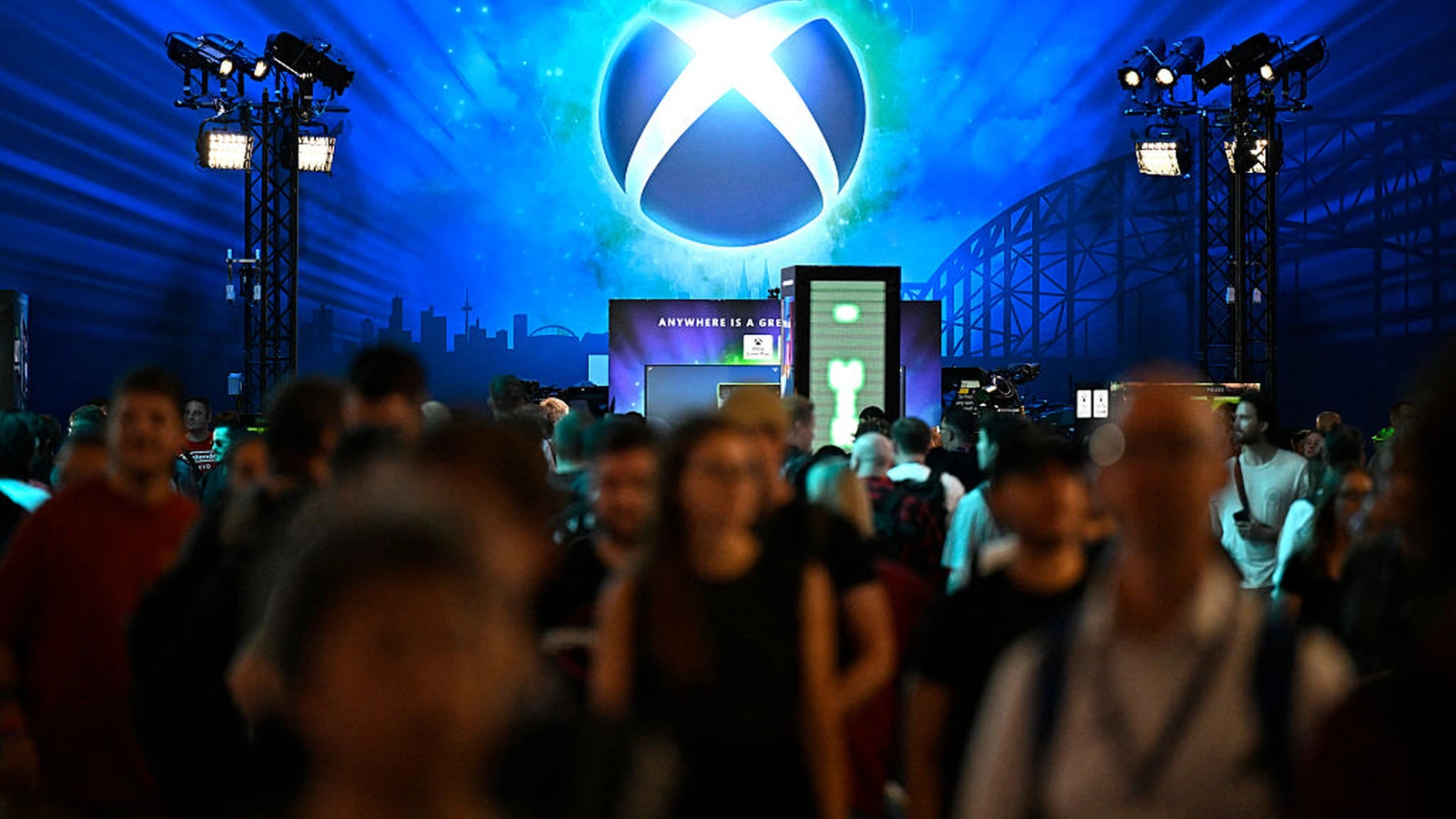
Xbox set three objectives for its Gamescom program: to become the conversation leader of the show, to drive impact for priority games and devices, and to deliver high-ROI execution.
The brand already maintained a substantial measurement practice — post-event surveys, on-site QR codes, clicker counts, and social listening — which produced a detailed account of who attended and how they engaged. What it could not establish was the monetary value of that engagement, making it impossible to directly compare the booth’s performance to other marketing line items that come with dollar figures already attached, like media buys.
Xbox engaged Sparks to quantify the program’s return on investment, providing executive leadership and external stakeholders with a defensible figure for the booth’s value and identifying which elements of the experience drove conversion, so that future events could be planned against measured visitor behavior.
The Solution
Sparks created two proprietary metrics for the program, each measuring a different kind of value the booth produced. The methodology involved four key steps, which culminated in a final report with recommendations for future measurement.
Step 1: Auditing Xbox’s existing measurement strategy
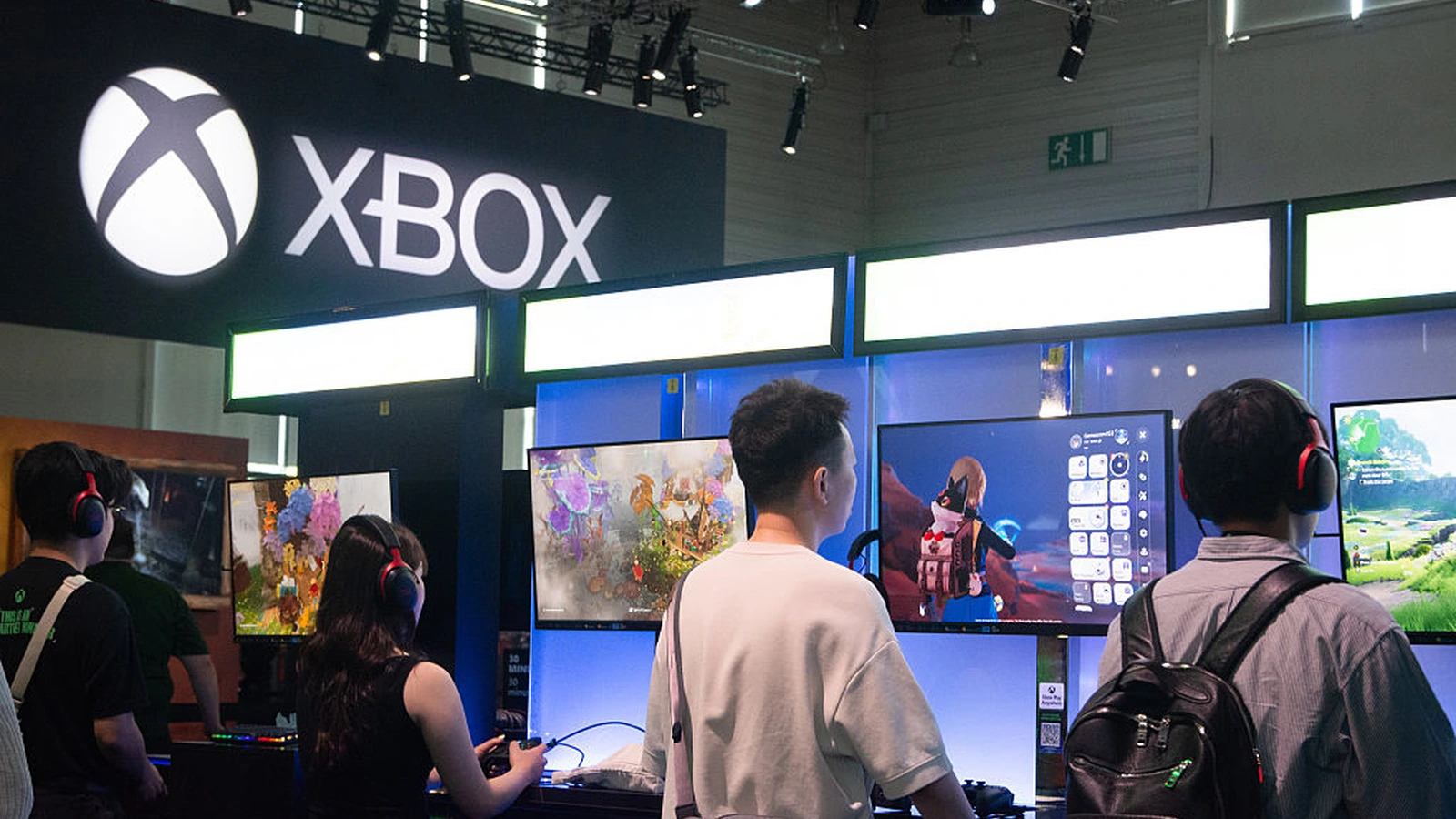
Sparks reviewed Xbox’s historical data, existing collection tools, and post-event reporting, then observed the booth in operation to see how data was captured in real time.
The audit identified four constraints. First, clicker counts and demo starts were imprecise, so engagement totals could not be trusted. Additionally, surveys generated data but few actionable insights. Sales attribution was also close to impossible, since most of the booth’s featured titles and devices were unreleased and could not be purchased on site. Finally, European privacy law restricted real-time tracking technology such as RFID wristbands and NFC badges, which require GDPR-compliant opt-in.
Step 2: Tracking visitor behavior end to end
The audit showed that Xbox’s existing methods counted activity, but could not connect those numbers to monetary outcomes. Closing that gap required data the booth wasn’t generating on its own. Xbox conducted on-site interviews and hosted a QR-code survey at the booth queues; Sparks reviewed and analyzed the resulting reports to build the chain of evidence behind the EEV and EEIV models.
To learn why people came and what they made of what they found, Xbox’s on-floor interviews covered 113 visitors, capturing their reasons for coming, their reactions to the ROG Xbox Ally, and how the experience affected their intentions.
Next, 12 QR codes at the queues collected 670 survey responses on booth experience and stated behavior. And because stated intent is not the same as action, 280 visitors shared their gamertags, allowing Xbox’s own account data to show what those players actually spent and played after Gamescom, measured against a control group of comparable players who did not attend.
Together, the three approaches produced a chain of evidence: why people came, what they said they would do next, and what they did.
Step 3: Converting engagement and visibility into dollars
The data helped Sparks create two new, proprietary metrics, each valuing a different kind of return the booth produced. Both express their result in dollars, to help directly compare event programs against other marketing investments.
- Earned Engagement Value (EEV) values the interactions that happen inside the booth, on the principle that not every interaction is worth the same. Each type is scored from 1 to 3 for its depth. For example, hands-on gameplay scores 3, prize redemption and theater visits score 2, and a photo op scores 1. Each engagement’s score is then combined with an estimate of what that visitor is worth as a subscriber, their likelihood to keep subscribing or to start, and the roughly $135 an average subscriber spends per year, calculated from Microsoft’s publicly reported revenue and subscriber numbers.
- Earned Event Impression Value (EEIV) values the visibility the booth generated among everyone who saw it, including signage, digital displays, branded installations, and photo backdrops. It multiplies total impressions by an Impression Value Factor: a dollar figure per impression set by audience quality, brand alignment with the event, exposure type, and what comparable sponsorships cost. Industry benchmarks from EventTrack, IEG, and Gamescom’s own sponsorship pricing put premium activations between $80 and $160 per impression.
Step 4: Building a measurement standard for future events
Each constraint the audit identified came with a recommendation. Sparks proposed replacing manual clicker counts with digital or sensor-based tracking, adding timestamped logging of gameplay so engagement duration could be calculated rather than estimated, and assigning a unique QR code to each game and experience so wishlist additions and pre-installs could be traced back to the booth.
Sparks also recommended a standardized measurement framework using consistent KPIs across all Xbox events, so Gamescom, PAX, and others could be compared to one another and year over year.
The Impact
For the first time, Xbox could state what its Gamescom booth returned in dollars, and show the visitor behavior behind the figure.
11x
return on investment, validated by a measurement model legible across the full marketing organization
191,000
total impressions across the program
300,000+
Gamescom 2025 attendees
Client Quote
Beyond the Metrics
The dollar figures answered the question Xbox asked. What the program also produced was a way to make decisions about future events.
Experiential programs can now be directly compared to performance marketing channels. Paid media reports in dollars, while exhibit programs have historically reported in attendance figures. This difference has historically made the two channels impossible to compare when budgets are set. The two new units of measurement, EEV and EEIV, gave Xbox a repeatable way to apply a dollar value to its booths, so events can be judged on their monetary returns like a performance marketing channel. This also makes it easier for the brand to get buy-in for funding new experiences.
Measuring engagement quality can strategically inform what gets built. Every exhibit involves the same set of trade-offs — how much floor space each experience gets, how many staff it takes to run, how much of the budget it absorbs. A model that assigns value to each type of interaction becomes a record of what has consistently earned its space and what hasn’t — which turns each round of planning into a set of informed decisions rather than a fresh set of assumptions.
The framework applies to events of any size. Gamescom is among the largest events in the industry, but the measurement model that Sparks developed works just as well for a hundred-person customer summit. In fact, at smaller events, where a brand gets more time with each attendee, engagement values can run higher rather than lower.
A Note on Partners
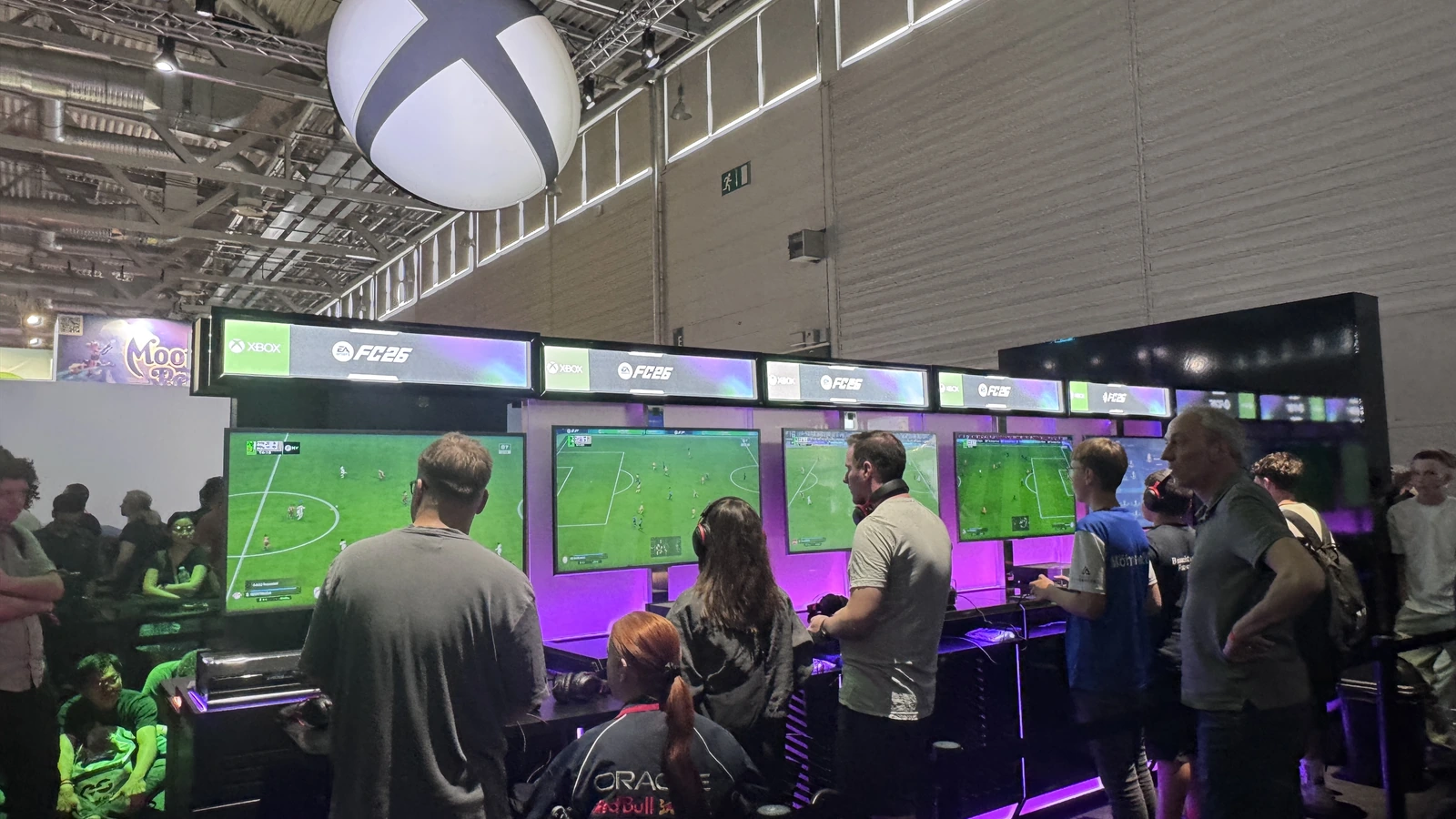
Xbox designed and produced its Gamescom 2025 booth, including the gaming stations, the featured titles, the hardware demos, and the on-site programming. Sparks’s scope was the measurement program: auditing how the events were being measured, analyzing the on-site research Xbox conducted, building the EEV and EEIV models, and delivering recommendations for measuring future events.
Frequently Asked Questions
Gamescom is the world’s largest annual tradeshow for computer and video games, held each August at Koelnmesse in Cologne, Germany. It brings together game publishers, hardware makers, and fans for hands-on play, premieres, and live programming. Gamescom 2025 drew 357,000 visitors from 128 countries and 1,568 exhibitors from 72 countries across 233,000 square meters of exhibition space.
Sparks built the measurement program for the Xbox booth at Gamescom 2025. The work included an audit of Xbox’s existing measurement practices, an on-site audit of the Xbox booth and thirteen competing exhibitors, analysis of fan research data — interviews, surveys, and account-level telemetry, collected by Xbox — two proprietary valuation metrics, and a set of recommendations for measuring future events.
Earned Engagement Value, or EEV, is a metric that measures the quality and depth of consumer interactions at a live event and expresses the result in dollars. Rather than counting every interaction equally, EEV scores each type by how deeply the visitor engaged — hands-on gameplay counts for more than a photo op — and combines that score with what a converted visitor is worth to the business. EEV was developed by Sparks for Xbox and applied first at Gamescom 2025.
Earned Event Impression Value, or EEIV, is a metric that assigns a dollar value to the visibility an event generates, including on-site signage, digital displays, branded installations, and photo backdrops. EEIV is calculated by multiplying total impressions by an Impression Value Factor. Like EEV, it was developed by Sparks for Xbox and applied first at Gamescom 2025.
EEV and EEIV measure the two different kinds of value an exhibit produces. EEV values what happens inside the booth — the depth and quality of visitor interactions. EEIV values what happens around it — the scale and prominence of the brand impressions the presence generates. Used together, they account for both the people who engaged and the far larger number who simply saw.
An Impression Value Factor is the dollar amount assigned to a single impression in sponsorship or experiential marketing valuation, reflecting what that impression is worth to the brand. It is set by audience quality and engagement depth, brand alignment with the event, exposure type, and market standards for comparable sponsorships. Benchmarks from EventTrack, IEG, and event sponsorship pricing typically place premium activations between $80 and $160 per impression.
You measure the ROI of a trade show booth by valuing what it produces in the same units as every other marketing channel. The model Sparks built for Xbox separates a booth’s output into hands-on engagement and brand impressions, assigns each a dollar value against established industry benchmarks, and sets the total against the cost of the program. That produces a return figure that can be compared directly to a media buy.
To prove the value of experiential marketing to a CMO, report it in the terms the rest of the marketing organization already uses. Attendance figures cannot be compared to a media plan; engagement values and impression values can. A measurement model that translates a live experience into dollars allows an exhibit program to be evaluated alongside every other channel and makes the case for funding the next one easier to bring to budget holders.
Measuring event attendees in Europe under GDPR requires that participation be voluntary and consent explicit. Passive tracking technologies such as RFID wristbands and NFC badges require GDPR-compliant opt-in, which limits their use. At Gamescom 2025, the research relied on opt-in methods instead: on-floor interviews, QR-code surveys in the queues, and account identifiers shared voluntarily by visitors who agreed to a follow-up analysis.
Connecting event attendance to later behavior requires linking the two sets of data at the individual level, with consent. At Gamescom 2025, 280 Xbox booth visitors shared their gamertags, allowing their spending and play behavior after the event to be compared against a control group of similar players who did not attend. That test-and-control design isolates the effect of the event from what those players would have done anyway.
At minimum, an exhibit program should measure how many people attended, what they did inside the space, what they took away in terms of awareness and intent, and what they did afterward. Each requires a different method: counts and sensors for attendance and interaction, surveys for perception and stated intent, and account or CRM data for actual behavior. Valuing those outputs in dollars is what allows the program to be assessed as an investment.
Yes. Measurement that assigns different values to different kinds of interaction shows which parts of an exhibit delivered the most, and by how much. That gives the team a basis for deciding where to concentrate floor space, staffing, and budget at the next event, rather than repeating what was done the year before.
Yes. Measurement that assigns different values to different kinds of interaction shows which parts of an exhibit delivered the most, and by how much. That gives the team a basis for deciding where to concentrate floor space, staffing, and budget at the next event, rather than repeating what was done the year before.
An event measurement audit reviews what a brand currently captures at its events and identifies what is missing. That typically means examining historical data and KPIs, evaluating the tools and methods in use, reviewing post-event reporting, and observing data collection on site while the event is running. The output is a picture of which figures can be trusted, which cannot, and what would need to change.